Impact Report
Supporting our community on all sides.
Communify is a multi-service community organisation working across Greater Brisbane. We work alongside people of all ages and backgrounds providing support at all stages of their lives, supporting them to secure and sustain a safe home, maintain their independence, improve their mental health and wellbeing, navigate the disability and aged care systems, build a new life in Australia and strengthen their connection to community.

We are committed to supporting reconciliation between Aboriginal and Torres Strait Islander peoples and non-Indigenous Australian people. In keeping with the spirit of reconciliation, we acknowledge the Traditional Owners of the lands where Communify works, the Turrbal and Jagera peoples. We wish to pay respect to the Elders – past and present – and acknowledge the important role Aboriginal and Torres Strait Islander peoples continue to play within our community.
The year at a glance
In 2025–26, demand for our services grew in both volume and complexity. Our teams responded with timely, practical support for people at the points in their lives when they needed it most.
3,782
548
390
286
298
92,084
15,690
$269,570
$10.77million
239
310
*Estimated by Neighbourhood Centres Queensland from its 2025 Neighbourhood Centre Survey. See How we measure.
From our CEO and Chair
Communify exists to ensure people experiencing disadvantage have access to the support, connection and opportunity to live their best lives.
In 2025–26, people came to us at points in their lives: facing homelessness and housing insecurity, experiencing mental and physical ill-health, working to overcome addiction, navigating family stress and breakdown, needing support to live independently and remain connected to community, seeking financial assistance and food security, or building a new life in Australia, whether seeking asylum or settling in a new country. This year we strengthened the foundations of the organisation to ensure we can respond to each of them with quality, consistency and care.
This work was delivered in a challenging operating environment. Sustained cost-of-living pressures and a deepening rental and housing crisis driven by rising rents, historically low vacancy rates and the escalating cost of essentials, placed more households in financial hardship, food insecurity and housing stress, many for the first time. Demand for our services increased in both volume and complexity across every program, requiring our teams to prioritise and triage referrals and actively manage growing waitlists and demand. In response, we introduced brief intervention and rapid response policies and practice principles, and strengthened our warm referral pathways and partnership models, ensuring people receive timely, targeted support at the point of need.
These pressures were most acute in homelessness, where demand reached unprecedented levels. Our HART 4000 team responded with exceptional skill and commitment, supporting 3,782 households with their housing needs, from crisis accommodation and tenancy advocacy through to pathways into long-term housing. Their achievements reflect the professionalism and persistence of the team and the foundational role stable housing plays in every other aspect of a person’s wellbeing.
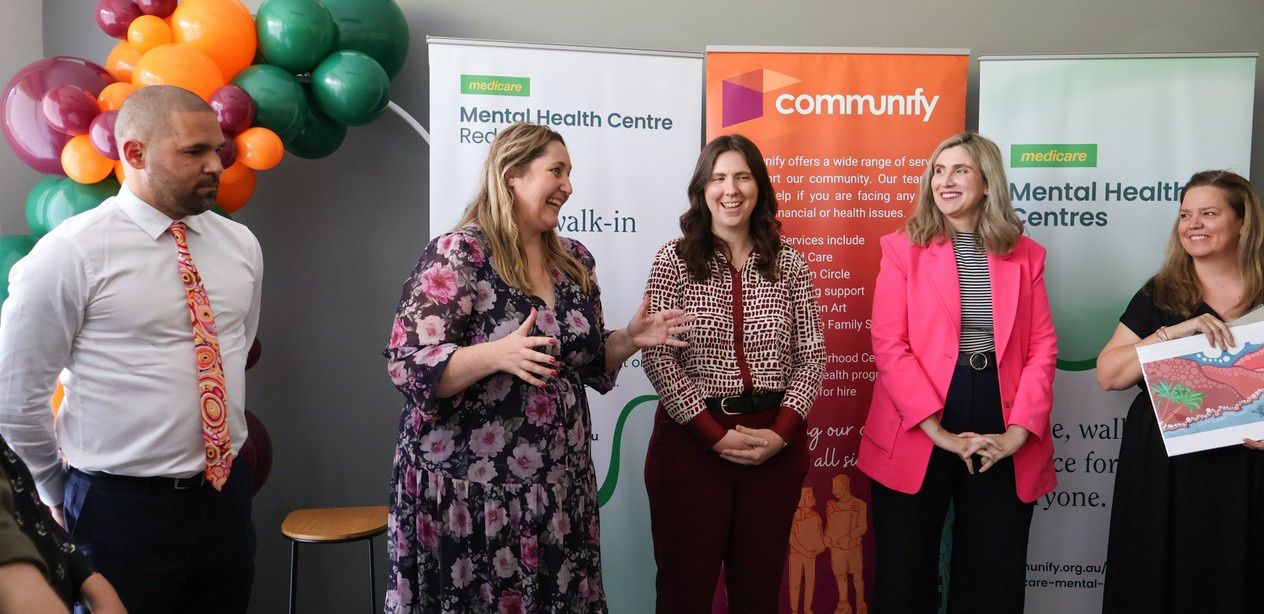
Read the full letterThe opening of the Redcliffe Medicare Mental Health Centre, alongside our established Centre at Lutwyche, expanded access to free, walk-in mental health support, with no referral required. Both Centres operate through a partnership and coalition model that provides multiple access and soft entry points across our communities, supported by a structured pathway into care. We acknowledge our delivery partners, World Wellness Group, Lives Lived Well, Change Futures, ForHealth, Relationships Australia and Planzz First Nations Mental Health, whose collaboration has contributed to a model recognised as place based best practice.
The introduction of the Australian Government’s Support at Home program represented a significant reform for our aged care services, impacting on our systems and workforce, and the older people we support. Through careful planning and early preparation, our teams managed the transition smoothly, maintaining continuity of service while adapting to new funding, assessment and reporting requirements.
Demand for aged care continues to grow as more older people seek support to remain safely and independently at home. Meeting this demand requires a skilled and sustainable workforce, and recruitment and retention remain a significant challenge across the sector. Our Skilling Queenslanders for Work program forms a key part of our response, providing training and supported employment pathways that build a local workforce pipeline into community and aged care roles.
We welcomed Multicultural Affairs Queensland’s decision to re-fund the Asylum Seeker and Refugee Assistance program, ensuring continuity of support for people seeking safety in Queensland. We were delighted that the program review commissioned by Multicultural Affairs Queensland affirmed the value and impact of this work.
We continued to progress Bindi Bindi Place, a purpose-built early intervention centre in Zillmere for children aged 0–6 from families experiencing complex vulnerability who are at risk of entering out-of-home care. This innovative model aligns with the reform agenda set out in the final report of the Child Safety Commission of Inquiry, From Pressure to Purpose, released in June 2026. We are working closely with the Queensland Government to satisfy the conditions required to release the committed capital and start-up investment. This has included an independent review of our operational model and a costed build estimate, strengthening the foundations for the centre’s delivery and long-term sustainability.
Our commitment to reconciliation continued to shape the organisation. Supported by our First Nations consultant, we achieved our Reflect Reconciliation Action Plan and have commenced our Innovate RAP, strengthening our relationships with First Nations communities and organisations.
Lived experience leadership is central to how we work. This year we formalised that commitment through the launch and adoption of our Lived Experience Practice Framework, which embeds the expertise of people with lived experience in the design, delivery and governance of our services and builds on the longstanding contribution of our Lived Experience Advisory Committee.
Our people are the heart of Communify. Every day, our teams bring skill, compassion and commitment to people at some of the most difficult moments in their lives, and their care makes a lasting difference. This year we welcomed 112 new staff with the growth of existing services and new service offerings. We continue to invest in training and leadership development to ensure we deliver the highest quality services, underpinned by evidence-informed practice.
We also invested in the environments in which people access our services, recognising that safe, welcoming and accessible spaces are integral to quality care.
Our significant investment in the systems that support our work continued. Embedding Folio, our quality management system, together with new financial systems has streamlined operations, reduced administrative burden and strengthened our capacity to meet growing demand, enabling staff to dedicate more time to frontline service delivery. This investment contributed to Communify achieving NDIS, HSQF and Mental Health accreditation, each with no non-conformities, with auditors commending Folio as a strength of our quality and risk management framework. Our new Insight outcomes platform will further strengthen our capacity to measure and monitor the impact of our services and inform continuous improvement.
As artificial intelligence reshapes the technology landscape, we are approaching its adoption with care, balancing the opportunity to improve efficiency and service quality with our obligations to privacy, data security and ethical practice. Together, these investments provide our Board, funders and partners with assurance of the quality of our services and the strength of our governance.
Looking ahead, 2026–27 marks the launch of Communify’s new three-year Strategic Plan which sets a clear direction for how we will respond to rising demand, grow our impact and secure the organisation’s long-term sustainability. The plan builds on the foundations laid this year in quality, systems, facilities and workforce, and on the partnerships that extend our reach across our communities. Business planning will translate this direction into clear priorities, accountabilities and measures, ensuring we can demonstrate the difference we make and continue to deliver high-quality, evidence-informed services where they are needed most.
We thank our staff and volunteers for their unwavering dedication and support they provide to our clients and community. We are grateful to our Lived Experience Advisory Committee and Aged Care Advisory Group for the insight they bring to our work, and to our valued partners and funders, including the Queensland and Australian Governments, Brisbane North PHN and Brisbane City Council, for their continued support.
Above all, we thank the people and communities who place their trust in us and who remain at the centre of everything we do.
Who we are
Our integrated services span housing and homelessness, tenancy sustainment, mental health and suicide prevention, alcohol and other drugs, aged and community care, disability, intensive family support, multicultural programs and refugee and asylum seeker support, food security and emergency relief, employment and training, and neighbourhood centres and community development. Across all of this work, our purpose is consistent: to support people to live their best lives.
3
20
239
310
Who we supported
The people who connect with Communify come from diverse backgrounds and circumstances, each bringing their own strengths, experiences and goals. These figures provide a snapshot of who we supported in 2025–26.
2,037
2,015
What people were facing
- 63% of families supported by HART 4000 were single-parent families, and for 24%, domestic and family violence was the primary driver of their homelessness.
- 80% of Sustaining Tenancies participants had previously experienced housing instability that resulted in homelessness.
- More than 60% of Brisbane North referrals to The Way Back involved three or more concurrent psychosocial factors, most commonly social isolation, housing instability and financial hardship.
- All Springboard participants were living with co-occurring alcohol and other drug use and mental health challenges.
- Many of the older people we support are experiencing social isolation and loss of independence. One in five new Care Finder clients identified as belonging to a diverse or highly vulnerable group, including LGBTQIA+ people, culturally and linguistically diverse communities, First Nations people and people at risk of homelessness.

Diversity and inclusion
Communify works with people of diverse backgrounds, cultures, identities and experiences. We are committed to delivering services that are welcoming, respectful and accessible, and that respond to the specific barriers people face.
Our Diversity and Inclusion Steering Committee plays a central role in embedding inclusion across our workforce, culture and services. It ensures the diversity of the communities we serve is reflected in how we design and deliver support, and that our staff are equipped to provide respectful, culturally safe and responsive care. It also fosters a workplace where every team member feels valued and able to contribute.
During the year, the Committee led activities to mark:
- International Women’s Day
- NAIDOC Week
- National Reconciliation Week
- Neurodiversity Week
- Pride Festivals
- Seniors Month and the International Day of Older Persons
The Committee also delivered a range of workshops throughout the year, building awareness and strengthening inclusive practice across the organisation.
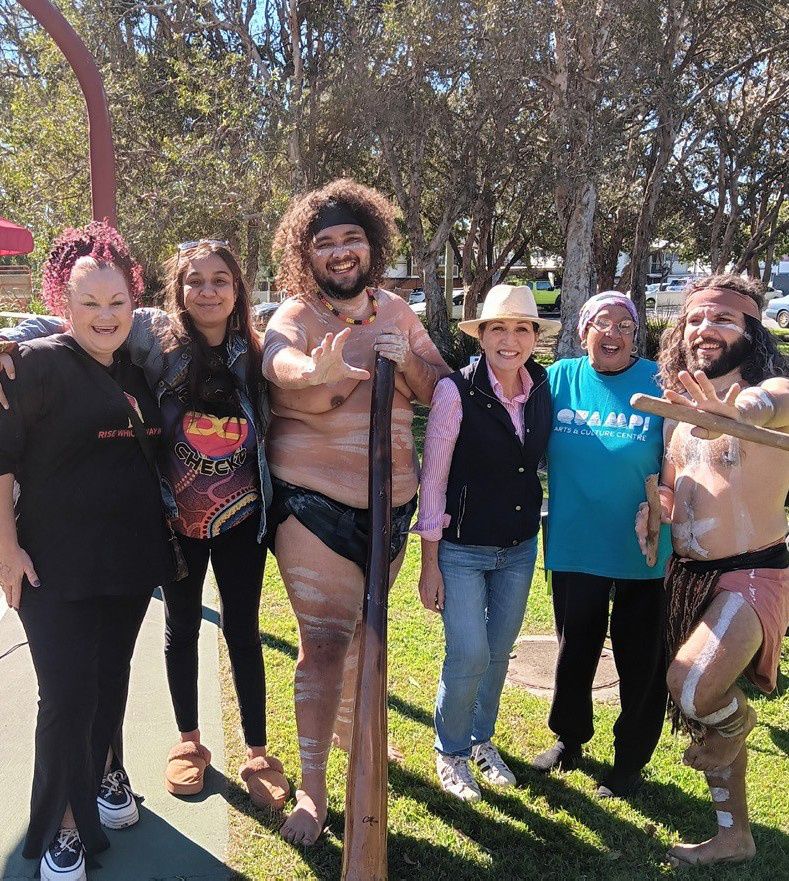
Our reconciliation journey
Reconciliation is central to who we are and how we work. In 2025–26, Communify completed its first Reconciliation Action Plan, the Reflect RAP, and commenced its Innovate RAP, marking a clear shift from building understanding to delivering measurable action.
Our RAP is structured around four pillars: Relationships, Respect, Opportunities and Governance. Supported by our First Nations consultant, it guides how we build genuine partnerships with Aboriginal and Torres Strait Islander peoples, embed cultural safety across our services and create meaningful opportunities for First Nations staff, suppliers and communities.
Key actions during the year included:
- developing a training video featuring First Nations employees, giving staff practical guidance on respectful and inclusive language
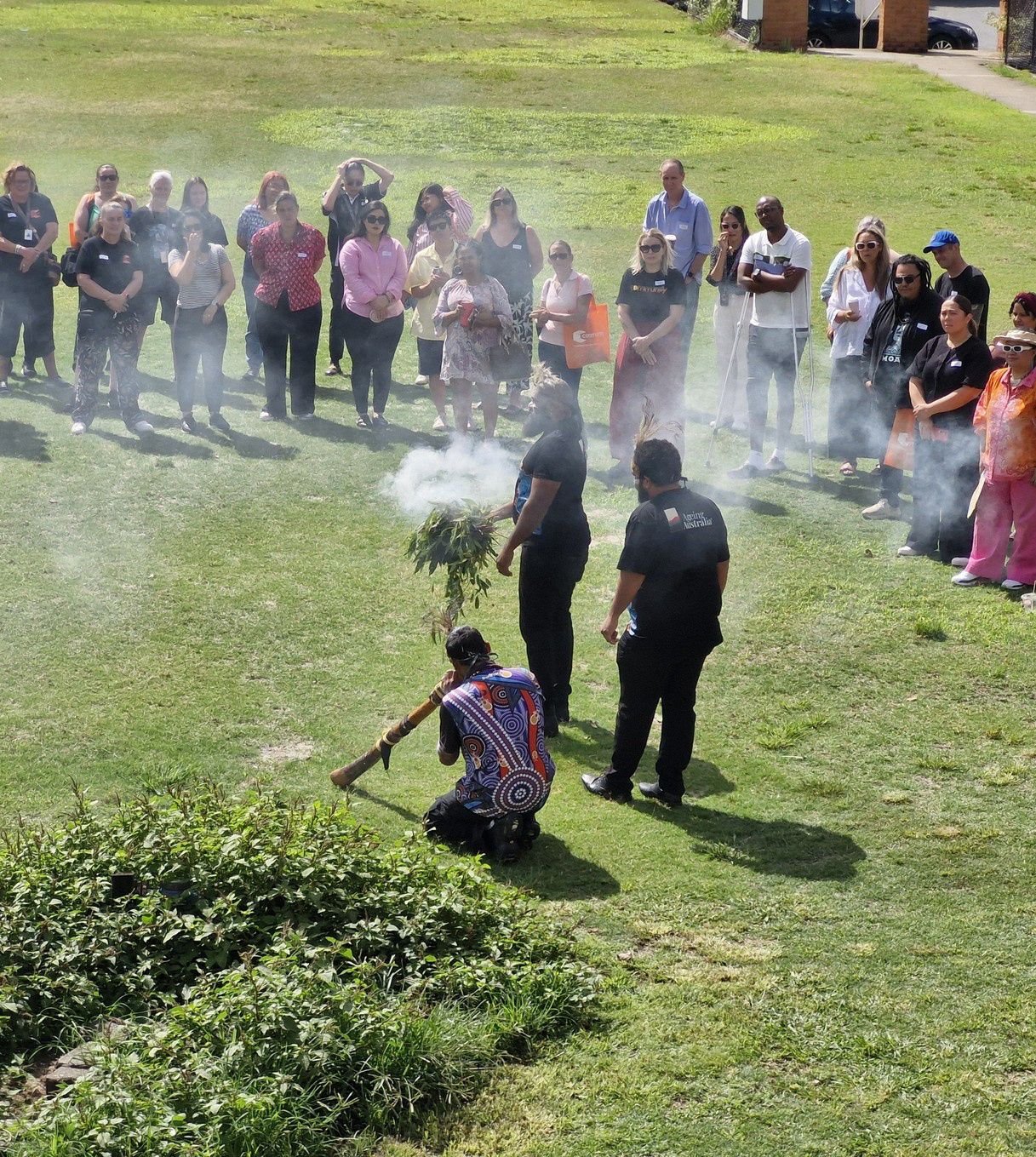
- dedicating our annual All Staff Training Day to Truth Telling, with presentations from Aunty Jackie Huggins, Aunty Denise Proud and Uncle Bill Lowah
- marking National Sorry Day, the anniversary of the 1967 Referendum, National Reconciliation Week and NAIDOC Week
- establishing a working group to review our policies and practices from a First Nations perspective
- strengthening our engagement with First Nations businesses and suppliers
- continuing to require all staff to complete the IAHA program in culturally responsive practice
- partnering with First Nations International to review our Springboard program and strengthen its cultural responsiveness
- expanding our Consumer Advisory Group to include two First Nations representatives, giving First Nations participants a direct voice in how our services are designed and delivered
Our Innovate RAP builds on these foundations, with clear commitments and measurable actions to strengthen relationships, deepen cultural safety and increase economic and employment opportunities for Aboriginal and Torres Strait Islander peoples. Together, these actions reflect our enduring commitment to embedding reconciliation in our everyday practice.
How change happens
Every program in this report works towards the same purpose: that people experiencing disadvantage have access to the support, connection and opportunity to live their best lives. This is how the work connects to that purpose, using figures from this report.
- 01InputsWhat we bring
- $44.5m revenue, 95% from government
- 239 staff, including close to 30 lived experience roles
- 310 volunteers
- Three neighbourhood centres and 20 community spaces
- Partners, funders and sub-contract agreements
- 02ActivitiesWhat we do
- Housing and homelessness support
- Mental health, suicide prevention, and alcohol and other drugs
- Aged care, respite and community transport
- Disability (NDIS), family support, and asylum seeker and refugee assistance
- Emergency relief, food security, training and community programs
- 03OutputsWhat we delivered
- 3,782 households supported by HART 4000
- 14,204 occasions of mental health support
- 92,084 hours of aged care support
- 7,250 episodes of food and emergency relief at Acacia Ridge
- 156 people in Skilling Queenslanders for Work
- 04OutcomesWhat changed
- 473 households into long-term housing
- 303 tenancies sustained
- 145 people granted a Resolution of Status visa
- 89% of Springboard completers reported improved recovery
- 118 people into employment
- 05ImpactWhy it matters
People experiencing disadvantage have access to the support, connection and opportunity to live their best lives.
Communify contributes to these outcomes alongside partners, other services, families and the people themselves. Each program measures its results in its own way, so the outcomes can’t be added together. How we measure, further down, explains the sources and their limits.
Results across our services
What we achieved with people this year. The detail behind each result is in the program sections that follow.
Secure housing
473 households achieved a long-term housing outcome through HART 4000, and rent arrears assistance helped a further 114 households avoid eviction and remain in their homes.
Sustained tenancies
303 tenancies were sustained through our Sustaining Tenancies program, helping people with a history of housing instability maintain their tenancy.
Recovery
89% of Springboard participants completing the intensive group reported improved recovery.
Suicide prevention
Every eligible person referred to The Way Back was contacted within 24 hours, and 230 people completed their support plans.
A future in Australia
145 people seeking asylum supported through ASRA were granted a Resolution of Status visa, securing permanent residency, and 100% of ASRA clients reported improved wellbeing through the support they received.
Ageing well at home
92,084 hours of in-home and community support helped older people live safely and independently at home, including 1,619 people receiving Commonwealth Home Support Programme services and 224 people with Support at Home packages.
Stronger connection
Sustaining Tenancies participants’ connection to their local community rose from an average of 3.95 to 4.92 out of 7.
Client experience
100% of surveyed Springboard participants would recommend the program to a friend, and The Way Back’s lived experience carer worker received a 92% positive experience rating.
Housing security
In short3,782 households supported. 473 into long-term housing. 303 tenancies sustained.
HART 4000
Supports people experiencing or at risk of homelessness to access safe accommodation and work towards sustainable housing.
Demand for homelessness services and crisis accommodation reached unprecedented levels in 2025–26, driven by sustained cost-of-living pressures, rising rents and historically low rental vacancy rates. HART 4000 supported 3,782 households across the program, delivering 21,115 episodes of support through assessment, crisis accommodation, advocacy and pathways into long-term housing. In total, 473 households achieved a long-term housing outcome.
Beyond direct support, the team delivered Housing 101 training to more than 400 people through Q Shelter, contributed to the delivery of the Immediate Housing Response, and implemented the recommendations of an independent security assessment to strengthen client and staff safety.
Demand placed sustained pressure on the service throughout the year. While brokerage funding remained sufficient, staffing capacity was stretched to meet increased demand for drop-in support, and managing occupational risk to staff remains a priority.
Deka’s story
When the lease on her family’s home was not renewed, Deka was raising eight children on her own and expecting her ninth. Almost overnight, the place her children called home was slipping away.
Finding a home large enough for her family in one of the toughest rental markets in years felt impossible. Then the family’s car was deliberately vandalised, leaving Deka struggling to get to appointments and the children to school at the very moment she needed it most.
HART walked beside Deka every step of the way, exploring every housing and financial option available. The team advocated for a rental security subsidy, bond loan assistance and rental grants, and together they secured a private rental in Sunnybank.
The support did not stop at the front door. For three months, a HART tenancy commencement worker helped the family settle in, working with Deka on budgeting, connecting them with their new community and coordinating the children’s schooling.
Today, Deka and her children have a safe place to call home. With that stability, the family can look forward again, focusing on their health, their education and their future together.
3,782
822
276
2,960
283
473
62
52
Building tenancies that last
Sustaining Tenancies
Supports people whose tenancies are at risk to sustain their housing, and people with a history of failed tenancies to establish and maintain a stable home.
A stable home is the foundation for health, wellbeing and connection. For people facing eviction, severe isolation or complex personal circumstances, keeping that home can be the difference between stability and a return to homelessness.
Sustaining Tenancies works alongside people to resolve the issues placing their housing at risk, including rent arrears, property inspections, complex property conditions such as hoarding and squalor, and unmet mental health needs. The team also supports people with a history of failed tenancies to establish a new home and build the skills and supports they need to keep it.
The need is significant: in 2025–26, 80% of our 303 participants had previously experienced housing instability that resulted in homelessness.
Through practical, hands-on support and close coordination with mental health and community services, the team protects tenancies while rebuilding people’s confidence and their connection to community.
Our team is known for their strong advocacy skills, tenacious focus and ability to undertake often complex and difficult work.
P’s story
For 22 years, P’s inner-city unit was her home. But for much of that time, the place that should have been her sanctuary had quietly become a source of overwhelm and isolation.
Living with significant mental health challenges, including agoraphobia, P had watched the clutter build around her for years until it overtook her life. Her kitchen became unusable, mould and pests crept in, and for more than a decade she had not slept in a bed, resting each night on the living room couch.
The shame was heavy. P kept her door closed, even to the people who loved her, and her world grew smaller and smaller. When she finally found the courage to ask for help, a skip bin was left outside her door and no one stayed to help her fill it. She was left feeling more alone and more stuck than ever.
Everything began to change in late 2024, when the Department of Housing connected P with Communify’s Sustaining Tenancies program.
Our team knew a skip bin was never going to be enough. P needed people who would roll up their sleeves and stand beside her, gently and at her pace. Room by room, step by step, we worked alongside her as her home was transformed.
Today, P’s tenancy is secure and her unit is a safe, clean home once more. For the first time in more than ten years, she sleeps in her own bed. She is reconnecting with her family, opening her door to others and finding her place in the community again. Her story is what Sustaining Tenancies is all about: walking beside people as they reclaim their dignity, their connections and their sense of safety, and keeping a roof over their heads.
303
3.95 → 4.92
Responding when people need us most
In short145 people seeking asylum granted permanent residency. 148 families strengthened to keep children safely at home.
Asylum Seeker and Refugee Assistance (ASRA)
Provides case management, emergency relief and practical support to people seeking asylum and refugees with limited access to mainstream safety nets.
People seeking asylum often wait years for their protection claims to be resolved, many without work rights, income support or stable housing. ASRA provides a vital safety net through this period of uncertainty. Communify leads a consortium of six organisations delivering coordinated social, legal and financial support through hubs in Logan, Indooroopilly and Gatton.
In 2025–26, Multicultural Affairs Queensland confirmed continued funding for ASRA, and a program review commissioned by the department affirmed the value and impact of this work.
ASRA Housing provided safe, transitional accommodation across 10 properties, preventing homelessness for people with nowhere else to turn.
Rental assistance and advocacy helped families remain in their homes, including people whose work rights had been withdrawn and who faced ongoing uncertainty about their visa status.
286
789
10
145
100%
Intensive Family Support
Delivered in partnership with Act for Kids, Communify’s Intensive Family Support (IFS) service processed 283 referrals this year as the demand on specialist services in the child protection sector continues to rise resulting in increased wait times for vulnerable families.
The IFS program works to build parenting capacity and independence with families experiencing multiple and complex needs who are at risk of statutory intervention. Alongside this work, practitioners also work with families exiting statutory intervention to consolidate learnings and ensure families are strengthened and supported in the community.
IFS enjoys a positive and robust relationship with the Child Safety Service Centres within catchment, providing important advocacy to keep families safely together.
To ensure IFS continues to provide families with quality support, psychoeducation and parenting programs, practitioners are regularly engaging in upskilling and learning. As part of this ongoing professional development, the program collaborates with other key stakeholders such as Emerging Minds, DV Connect, Communify’s Springboard Mental Health and AOD program, HART 4000 and many other community agencies.
Together, through 13,858 hours of support, the IFS service has strengthened 148 families to achieve their goals, keep children thriving safely at home and set families up for future success.
283
13,858
148
Belonging starts here
Community Hubs
Communify operates school-based and local community hubs, in partnership with Community Hubs Australia, that welcome migrant and refugee families through playgroups, English classes and opportunities for social connection.
Our four Community Hubs, at St Brendan’s Moorooka (closed June 2026), Inala, Nundah and the newly established Runcorn State School, provide a trusted and welcoming place where migrant and refugee families can build connections, develop skills and access the support they need to settle and thrive.
In partnership with BreastScreen Queensland, the Nundah Hub delivered accessible health education to culturally diverse women. With resources translated into Persian and a culturally safe environment, several women felt confident to book potentially life-saving breast screening appointments.
As the ongoing situation in Iran caused distress for families in our community, hub leaders provided incidental counselling and referrals to multilingual mental health support lines.
M’s story
When M, an Ethiopian mother of three, made the courageous decision to leave a violent relationship, she and her children needed support to start again.
Hub staff worked alongside M to meet her family’s immediate needs, providing $1,000 worth of donated essentials so she could focus on keeping her children safe and settled.
The team also connected M with housing caseworkers, giving her a clear pathway forward. With practical support and a caring community around her, M has begun to rebuild her life with her children.
2,023
2,972
2,456
316
Aged care: supporting independence and wellbeing
In short92,084 hours of support, up 6%. 298 older people helped into the aged care system, up 41%. 15,690 trips.
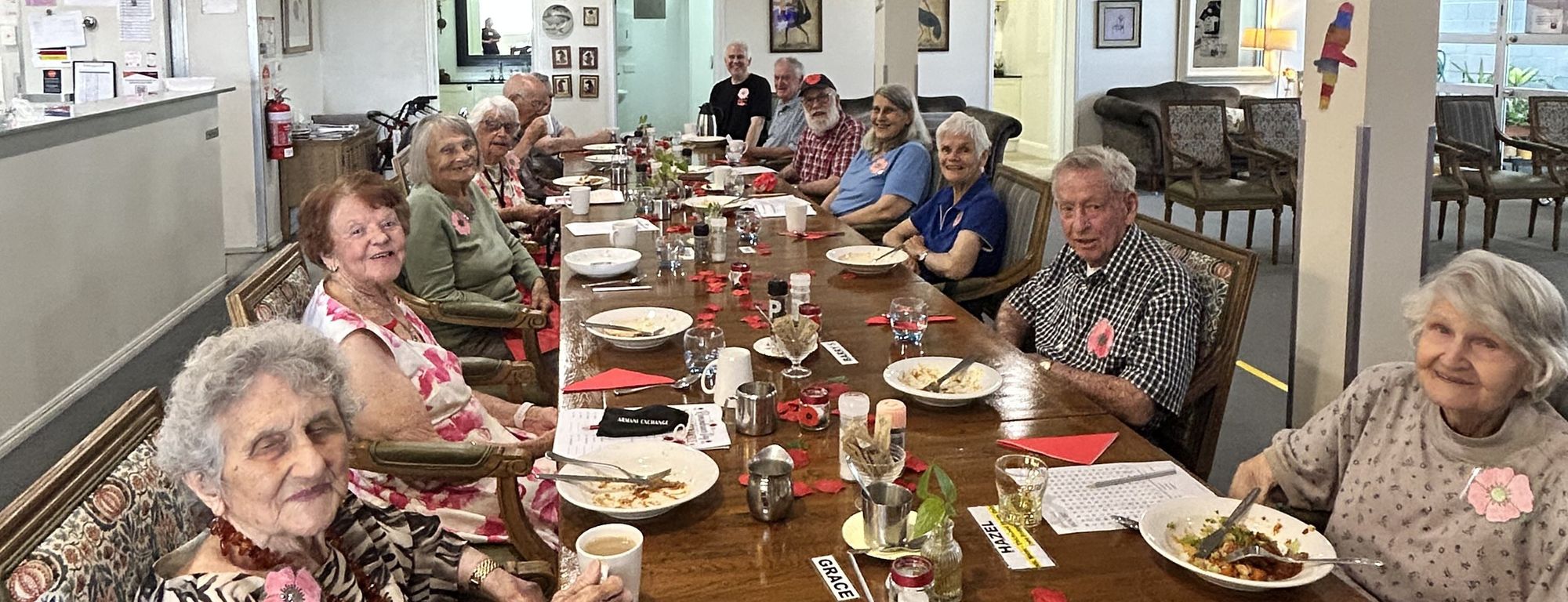
In-home and community support
Provides flexible in-home care, nursing, social connection and daily living assistance to help older people live safely and independently at home.
Communify’s aged care services support older people to live safely and independently at home and remain connected to their community. In 2025–26, our Nursing, Home Access Services, In-Home Support and Support at Home teams delivered 92,084 hours of support, up 6% on the previous year, while navigating significant reform across the aged care system, alongside workforce pressures and rising costs.
In 2025–26, 1,619 older people received in-home support funded through the Commonwealth Home Support Programme, and the number of people with Support at Home packages was 224. Domestic assistance supported 774 people with 24,599 hours of help at home, and social support provided 386 people with 23,828 hours of connection and companionship. Allied health hours doubled to 4,764 across 234 clients. Our registered nurse team doubled from three to six. Across the year, the team supported 297 clients and delivered 3,839 hours of nursing care, a 47% increase.
The introduction of the Support at Home program in November 2025 brought significant regulatory and systemic change. Through careful planning and early preparation, our teams managed the transition while maintaining continuity of care for clients.
Finding practical solutions
Teams introduced changes to improve efficiency and prioritise time for frontline client care, working towards an 80% efficiency ratio to ensure direct client care remains the priority.
In-Home Support introduced automated appointment confirmation texts to reduce scheduling administration, and new templates for recording staff breaks and meetings reduced verification time.
92,084
1,619
24,599
23,828
4,764
3,839
No one falls through the gaps
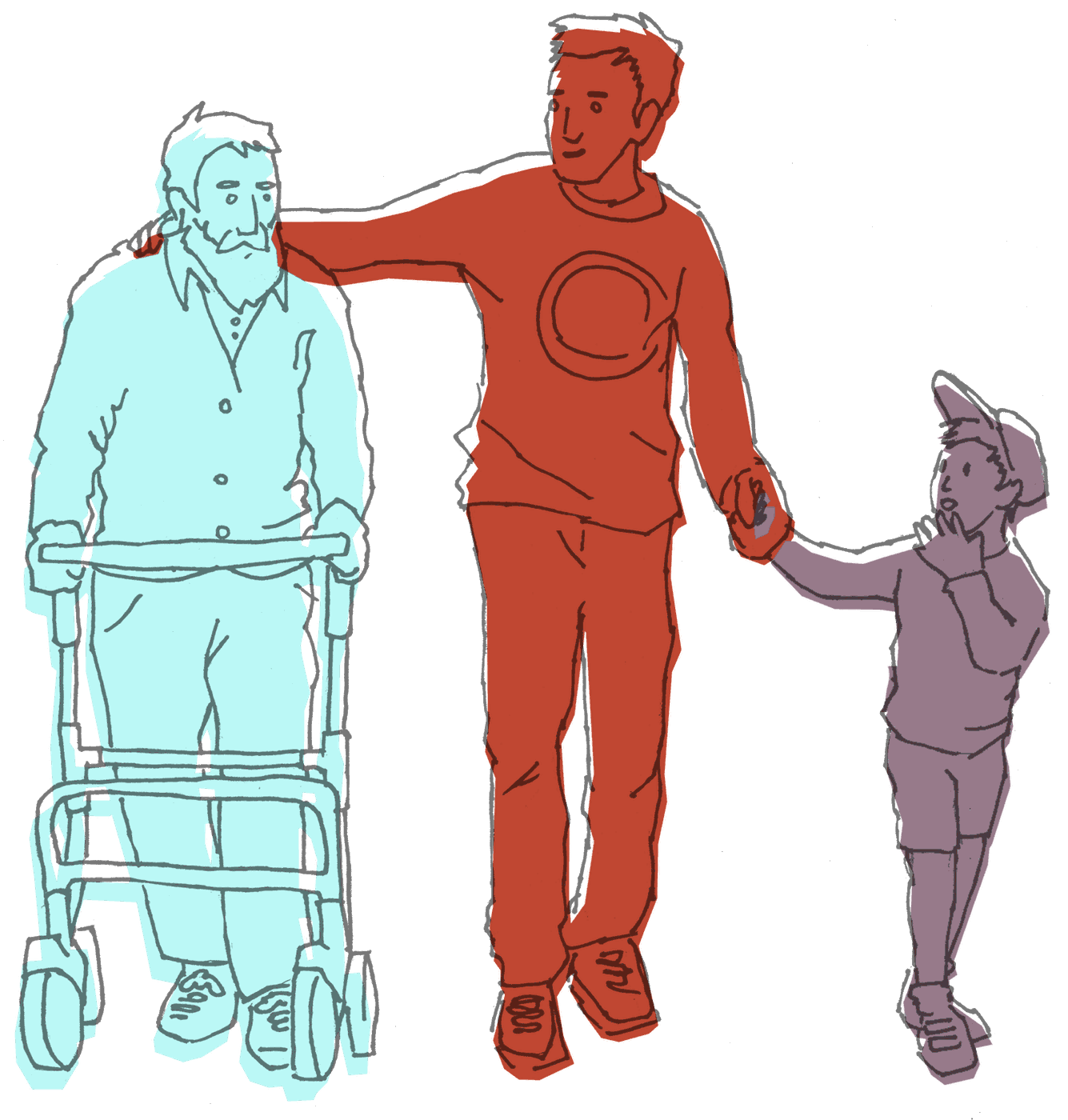
Care Finder
Funded by Brisbane North PHN and delivered in partnership with Micah Projects and Queensland Positive People, Care Finder provides intensive, face-to-face support to highly vulnerable older people who are at risk of falling through the gaps. Many have no family or other support to help them navigate the aged care system, and face complex and intersecting needs. The team works alongside each person to understand their circumstances, navigate assessment and access the government-funded aged care and community supports they need.
The introduction of Support at Home in November 2025 added complexity to an already difficult system, while access to entry-level services and residential care places remains limited, making this intensive, person-centred support more important than ever.
Across our North and South teams, Care Finder and Community Navigators supported 298 older people with 7,377 hours of support, up from 211 people the previous year. One in five new clients identified as belonging to a diverse or highly vulnerable group, including LGBTQIA+ people, culturally and linguistically diverse communities, First Nations people and people at risk of homelessness.
298
7,377
Respite that sustains families
The Paddington Centre
Provides centre-based day respite through structured programs focused on social connection, nutritious meals, and physical and cognitive activity.
Our day respite program at the Paddington Centre has become an increasingly vital service, supporting older people to remain safely at home while easing pressure on families, carers and the broader aged care system. Demand continues to grow as more older people wait for higher-level Support at Home packages and residential aged care places. In 2025–26, our flexible and centre-based respite services supported 103 older people and their carers with 24,285 hours of respite.
Each day includes structured cognitive and physical activities, social engagement and a nutritious main meal, supporting independence, wellbeing and cognitive function. Just as importantly, the program gives families and carers essential respite, helping to sustain caring arrangements and delay entry into residential aged care.
The discontinuation of Working Carers funding has placed further pressure on clients’ Support at Home packages and on family caring arrangements. Securing growth funding for this increasingly vital service remains a priority.
103
24,285
The journey matters
Community Transport
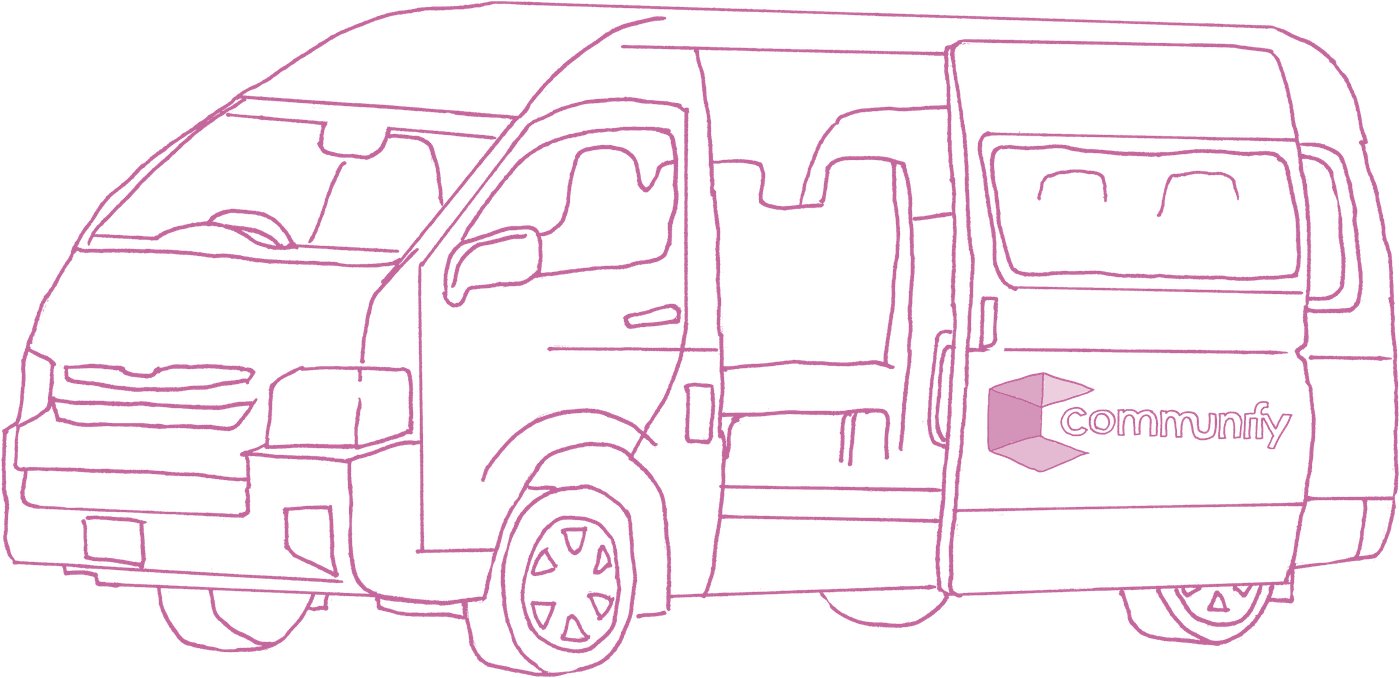
Provides accessible, reliable transport so older people and people with limited mobility can attend appointments and stay connected to their community.
For many older people, no longer being able to drive or use public transport can quickly lead to missed medical appointments, social isolation and a loss of independence. Community Transport removes that barrier, helping people attend medical appointments, access essential services and take part in Communify programs, so they can continue living independently at home and stay connected to their community. Our volunteer drivers also provide friendly, familiar contact, which for many clients is an important part of feeling seen, valued and connected.
15,690
17
Mental health and disability
In short548 people began a new episode of care. 89% of Springboard completers reported improved recovery. Every eligible person referred to The Way Back was contacted within 24 hours.
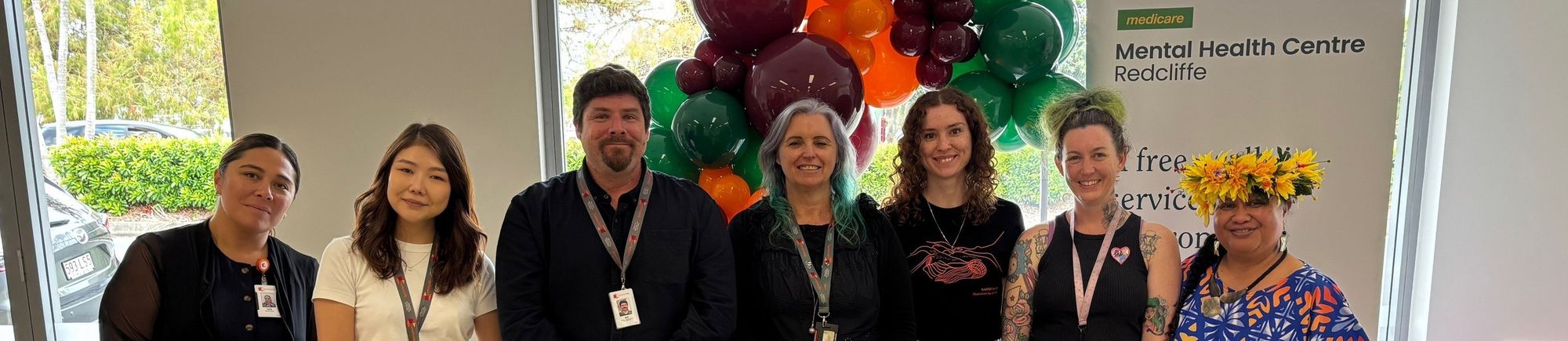
Medicare Mental Health Centres
Providing free, accessible mental health support for adults experiencing distress, without the need for an appointment, referral or Mental Health Treatment Plan.
Medicare Mental Health Centres play an important role in addressing gaps in the mental health system, offering a welcoming and accessible alternative for people who may otherwise face financial barriers, lengthy waiting periods or complex referral pathways.
Communify operates two Centres, located in Lutwyche and Redcliffe, working collaboratively with community partners to provide integrated clinical and non-clinical mental health support. This approach recognises that mental health and wellbeing are shaped by a person’s broader social circumstances and that effective care often requires connection across multiple services.
Demand throughout 2025–26 highlighted the importance of these services. Across both Centres, 14,204 occasions of mental health support were delivered and 548 people commenced a new episode of care. Both Centres experienced significant growth in the number of people accessing support, reflecting the importance of free, accessible mental health care in their local communities.
Across both Centres, staff supported people experiencing complex and intersecting challenges, including housing insecurity, domestic and family violence, financial hardship and difficulties navigating health and community service systems.
Why it works
Our Centres bring together accessible, flexible support with multidisciplinary expertise and strong community partnerships. People can access initial assistance through walk-in and drop-in services, alongside scheduled and ongoing support tailored to their needs.
Our Lived and Living Experience Team plays an instrumental role in creating welcoming, inclusive spaces and building meaningful connections with participants. Peer Service Guides draw on their lived and living experience to foster trust, hope and understanding, offering valuable peer support and helping people navigate their mental health journey.
Our multidisciplinary practitioner team includes Mental Health Practitioners, Social Workers, Clinical Care Navigators and Psychologists, providing clinical expertise, therapeutic interventions and practical psychosocial support. Together, these disciplines enable a holistic, person-driven approach that responds to people’s individual needs and broader life circumstances.
Partnerships with organisations including World Wellness Group, Arafmi, Eating Disorders Queensland, Lives Lived Well, Change Futures, ForHealth, Planzz First Nations Mental Health and Relationships Australia strengthen connections to specialist services and enable a more coordinated response to people’s mental health and broader wellbeing.
Underpinned by relational mental health care, this approach prioritises trust, connection and continuity, recognising that meaningful support extends beyond clinical intervention alone.
14,204
548
Inner North Medicare Mental Health Centre
A significant milestone in 2025–26 was the opening of Communify’s new Medicare Mental Health Centre at Lutwyche. Designed as a welcoming, non-clinical space, the Centre provides an accessible environment where people can seek mental health support without an appointment or referral.
Demand grew significantly throughout the year, with the number of people accessing support increasing from 107 in the first quarter to 252 in the fourth quarter.
An 83-year-old participant accessed formal mental health support for the first time in her life through the Centre, highlighting the importance of creating welcoming spaces where people feel able to seek support at any stage of life.
Participant feedback
Participant feedback from the Centre’s inaugural year highlighted the importance of a welcoming, accessible environment where people felt safe, heard and supported.
Participants described the Centre as “very inviting”, highlighting the approachable staff, relaxed atmosphere and welcoming environment as important aspects of their experience.
As the Centre became established, staff responded to growing demand and increasingly complex support needs. Through flexible, multidisciplinary and relational mental health care, the team continued to provide person-centred support that recognised the broader social circumstances influencing people’s mental health and wellbeing.
322
11,287
850
100%
100%
100%
100%
97%
Redcliffe Medicare Mental Health Centre
Participants grew from 84 in Quarter 2 to 193 in Quarter 4.
The 2025–26 financial year marked a significant period of establishment and growth for Redcliffe Medicare Mental Health Centre, with the service expanding its capacity and progressing towards becoming a fully operational Centre in early 2026–27.
A key achievement was the development of a multidisciplinary model of care, bringing together Peer Service Guides, Mental Health Practitioners, Social Workers and community partners, including Alcohol and Other Drug Practitioners and Pasifika Health Workers.
The Centre strengthened access to free, community-based mental health support through its developing walk-in and drop-in services, alongside coordinated support tailored to participants’ individual circumstances.
Strong partnerships with local community organisations have been central to the Centre’s development, supporting a holistic response to mental health needs and the broader social challenges experienced by participants.
Despite the challenges associated with rapid establishment and growing demand, the team continued to adapt its approach, strengthen its capabilities and build a flexible, responsive service for the Redcliffe community.
2,917
226
726
A safe place in a crisis
Safe Space: funding extension secured
Following extensive advocacy and the presentation of a comprehensive evaluation report demonstrating the program’s value and impact, Communify, together with three other organisations delivering Safe Space through Brisbane North PHN funding, has successfully secured a further 12 months of funding. The evaluation highlighted the program’s critical role in providing an accessible, community-based alternative to emergency department presentations for people experiencing psychological distress. Through its out-of-hours, peer-led model, Safe Space provides timely, compassionate and non-clinical support in a welcoming environment, helping people navigate periods of distress while reducing reliance on hospital emergency services.
While the funding extension is a welcome outcome, Communify remains committed to working alongside its service partners to strongly advocate for sustainable, long-term funding. This will be essential to securing the future of this much-needed service and ensuring people experiencing mental health distress continue to have access to timely, appropriate and compassionate support within their communities.
Supporting recovery in every part of life
Springboard
Provides an 18-week day rehabilitation program, including a six-week intensive treatment group and aftercare, for people living with co-occurring alcohol and other drug use and mental health challenges.
Alcohol and other drug use and mental ill-health frequently occur together, yet many treatment services are designed to address only one. Springboard is built for people with a dual diagnosis, treating both together through an integrated, evidence-informed day program accredited under the Human Services Quality Framework. Participants remain connected to their homes, families and communities while undertaking intensive treatment, with support provided before, during and after the program.
The program continues to achieve strong outcomes. Participants reported significant reductions in alcohol and other drug dependence and psychological distress, alongside significant improvements in relationship quality and their ability to manage difficult thoughts and emotions. Of those completing the intensive group, 89% reported improved recovery, with none reporting that they had gone backwards.
During the year, the service:
- completed its HSQF mid-term maintenance audit in November 2025 with no non-conformities, with the external auditor receiving very positive feedback from participants
- partnered with First Nations International on a comprehensive review of the program as it works towards becoming a culturally safe service for First Nations people, with recommendations now being implemented
- trained all staff in the Domestic and Family Violence Common Risk and Safety Framework, embedding screening, risk assessment and safety planning tools into program resources and procedures
Demand continued to grow, with 319 referrals received and the six intensive treatment groups operating at 96% capacity. An increase in self-referrals from people not yet linked with other supports required additional staff time at intake.
In participants’ words
Asked what was most helpful about Springboard, participants spoke of routine, connection and hope. Many described the structure of attending each day as the foundation of their recovery, giving them a reason to get up and a renewed sense of purpose. They valued practical tools and coping strategies they could use in daily life, and content that went beyond addiction to help them understand themselves, their thinking and their relationships. Above all, participants spoke of the staff, describing their warmth, patience, honesty and knowledge, and a safe, accepting space where hearing others’ stories showed them they were not alone. For many, Springboard restored their confidence and gave them hope that a better life was possible.
The staff and the way they deal with everybody, also the way they present the material. Their patience and understanding makes the world of difference. I have had prior rehabilitation which felt like jail and this was the opposite.

319
103
96%
883
66
549
89%
100%
Walking alongside after crisis
The Way Back Support Service
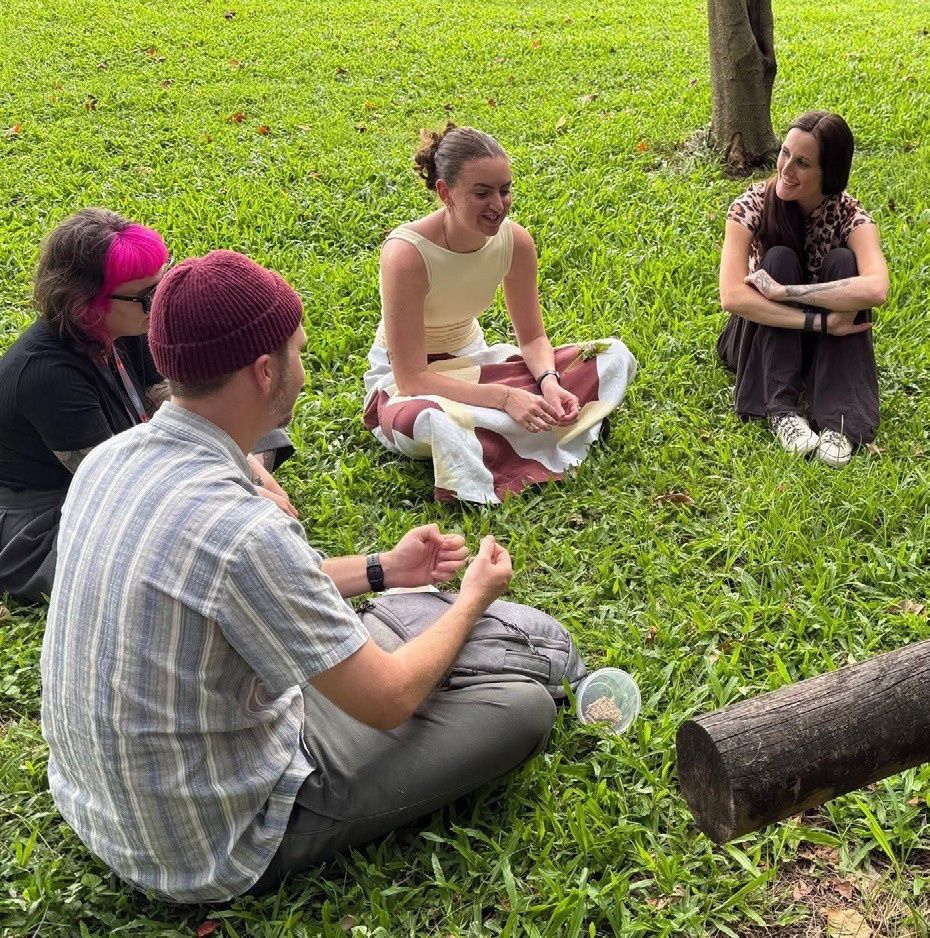
The Way Back Support Service provides practical, emotional and non-clinical support to people in the critical period following a suicidal crisis or attempt, helping them stay safe, rebuild connections and access the services they need.
The needs of people referred are often complex. More than 60% of Brisbane North referrals involved at least three concurrent psychosocial factors, most commonly social isolation, housing instability and financial hardship.
Communify delivers the service across Brisbane North alongside the Institute for Urban Indigenous Health (IUIH) and Richmond Fellowship Queensland, with our focus on the Royal Brisbane and Women’s Hospital and The Prince Charles Hospital at Chermside.
The family and friends pilot continued to grow, with referrals increasing over the year. Our lived experience carer worker carried a full caseload and received a 92% positive experience rating.
S was my peer support worker and put simply, he saved my life. S perfectly balanced the line of professional whilst also feeling like someone you could trust. He was the single most impactful person I have met through my recovery. He listened, provided feedback, guidance and advice and I looked forward to meeting with him every week, even when it was hard. 100/10.
J has really helped me along my journey. She’s very kind, understanding and not judgemental at all. She had great recommendations for services to help in other aspects of my life and is very knowledgeable about many topics. I’m so grateful for her encouragement throughout the program and hope future participants get to work with someone like her too.
A moment of reflection
This year, The Way Back community experienced a profound loss. We hold in our hearts the person we lost, and extend our deepest sympathies to their family, friends and all who knew them.
Loss is felt deeply in this work. Our team responded with great care for one another, and we remain grateful for their compassion, courage and commitment to walking alongside people through their most difficult moments.
627
8,128
390
Choice, control and connection
NDIS
Supports NDIS participants to navigate their plans, access the supports they need, and build skills, independence and connection to community.
This has been a challenging year for many people with NDIS plans. Plan reviews are frequently reducing the level of support people receive, and major reform of the scheme is under way, causing distress and uncertainty for many participants and their families. Communify continues to advocate strongly for people with disability to retain the supports they need to live well and participate fully in their communities.
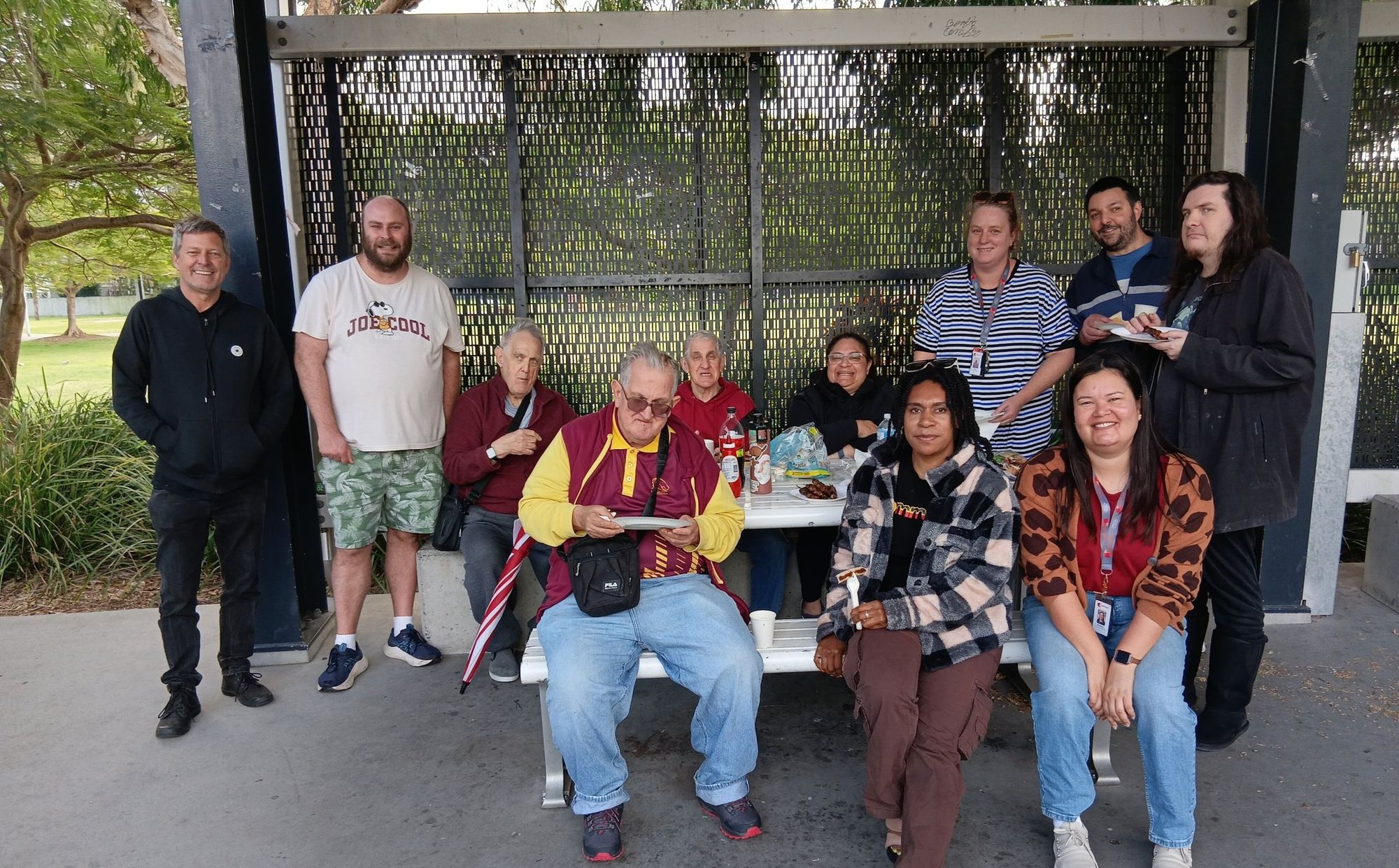
Our NDIS work is primarily support coordination, with a smaller number of participants also receiving core supports. Working alongside participants, many with complex needs, our team helps people make the most of their plans and adapt their supports as their needs change, so they receive the help they need with daily living, connecting with their community and working towards their recovery goals. In 2025–26, our support coordination team supported 163 participants with 4,851 hours of support, and our core supports team supported 50 participants with 8,902 hours. Since formal performance monitoring began, the support coordination team has averaged 107.7% of its target, meeting or exceeding the benchmark in most months.
163
50
107.7%
Connection and community
In short$10.77 million in community value, as estimated by Neighbourhood Centres Queensland. 7,250 episodes of food and emergency relief at Acacia Ridge alone.
Neighbourhood centres
Provide welcoming, local places where people can access practical support, emergency relief and referrals, and connect with their community.
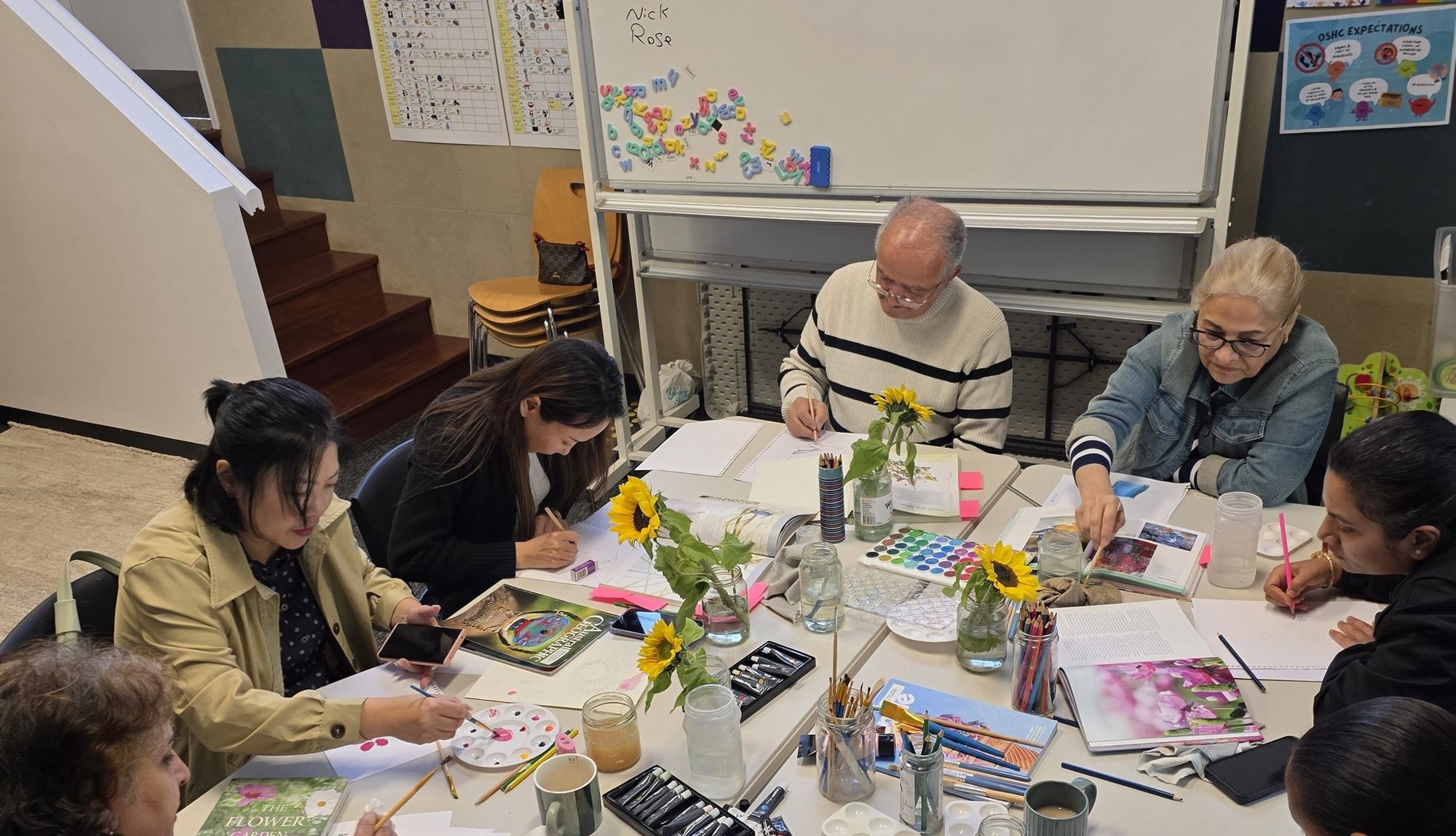
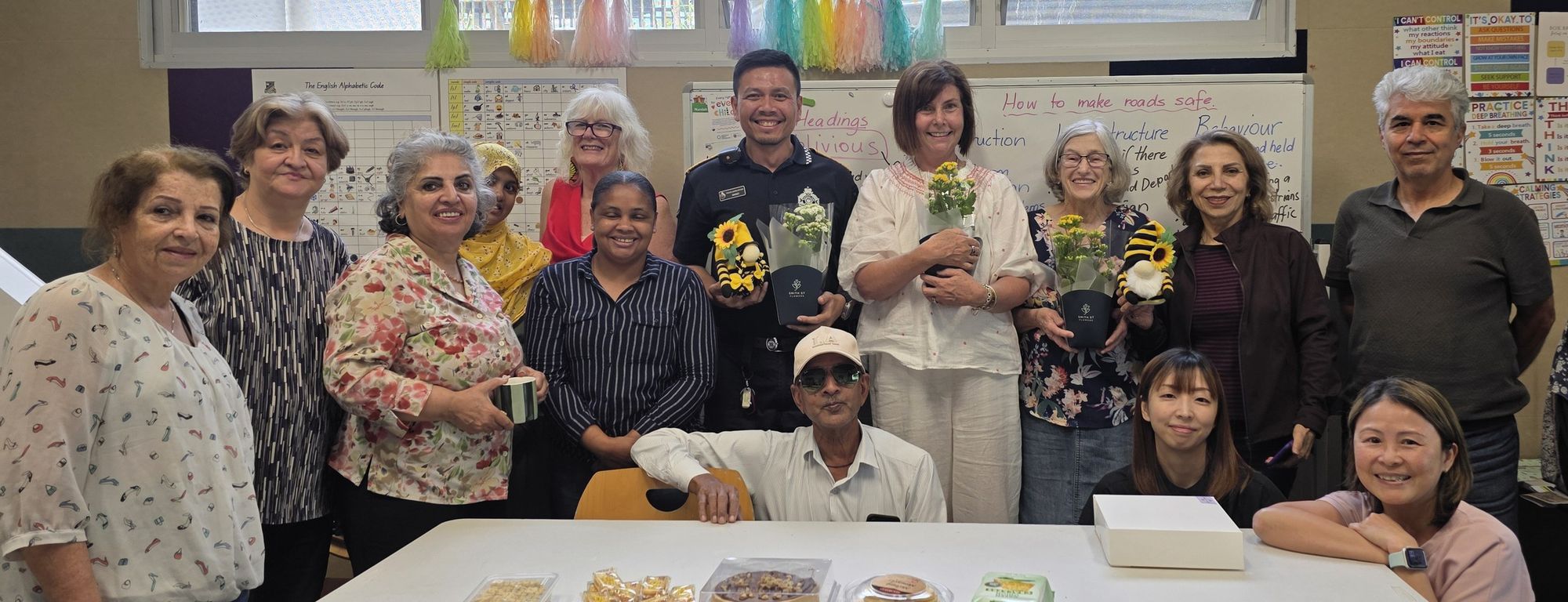
Communify’s neighbourhood centres at New Farm, North West and Acacia Ridge are welcoming, trusted places that offer a soft entry point into support. Each centre provides emergency relief and financial hardship assistance, learning and creative programs, and opportunities for people to connect close to home.
In 2025–26, sustained cost-of-living pressures drove a significant increase in the number of people turning to our centres for help with food, bills and financial stress. Our volunteers have been central to meeting this demand, providing practical assistance across our programs and the meaningful engagement that makes every person feel welcome.
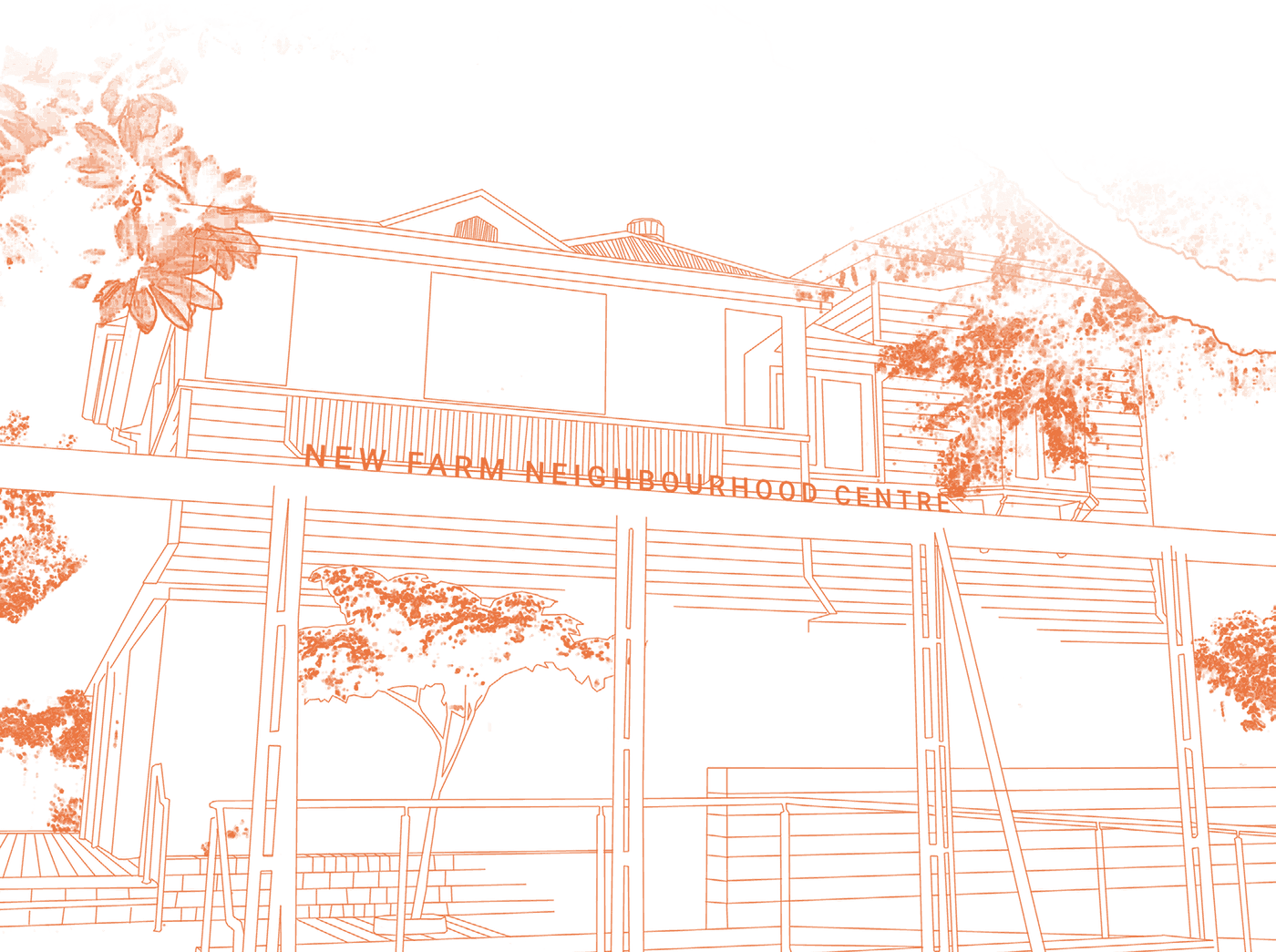
New Farm Neighbourhood Centre
New Farm Neighbourhood Centre is a welcoming local hub offering emergency relief, financial hardship support and social connection activities, including art classes, community lunches, tax help and the Open House program.
Analysis by Neighbourhood Centres Queensland, based on its 2025 Neighbourhood Centre Survey, estimates that New Farm Neighbourhood Centre delivered $2,875,922 in total community value, reflecting weekly social connection activities, volunteer hours, food relief, hygiene supplies, community lunches, tax help and the auspicing of grassroots community organisations.
In 2025–26, New Farm Neighbourhood Centre strengthened its emergency relief model to make every dollar go further. Food vouchers were replaced with food parcels of donated goods, allowing the centre to direct its financial assistance to bill relief, alongside advocacy and broader financial hardship support. In the first seven months, 186 people received $43,356 in bill relief, an average of $233 per person. Staff also helped people access government concessions, negotiate bill reductions and establish manageable payment arrangements, addressing the causes of financial stress as well as immediate need.
W’s story
When a serious health condition left W, a young migrant on a working visa, unable to work, he was soon facing extreme housing and financial insecurity.
With no access to Centrelink and unable to safely return to his home country, W was sleeping in his car while his health continued to decline. New Farm Neighbourhood Centre stepped in, connecting W with a community GP and using emergency relief funding to cover his scans, prescriptions and specialist appointments.
The team also linked him with the Refugee and Immigration Legal Service to begin a Protection Visa application, and worked alongside a Queensland Health complex care clinic to coordinate his ongoing care.
As his health stabilised, W found his way back to community through the centre’s art classes and Open House program. Today, W is well and once again connected to a community that welcomes him.
186
North West Community Centre
North West Community Centre combines practical support with a program of arts, culture and learning, bringing residents together through creative programs, English classes and community events.
Analysis by Neighbourhood Centres Queensland, based on its 2025 Neighbourhood Centre Survey, estimates that North West Community Centre delivered $3,571,144 in total community value.
Community events brought residents together and provided material support: the Christmas Market Day welcomed around 300 households to connect and receive donated food, gifts and toiletries, and the Winter Warmer in June supported 80 households with a warm meal alongside donated clothing, linen and shoes. These events, and the centre’s daily operations, would not be possible without the commitment of our volunteers.
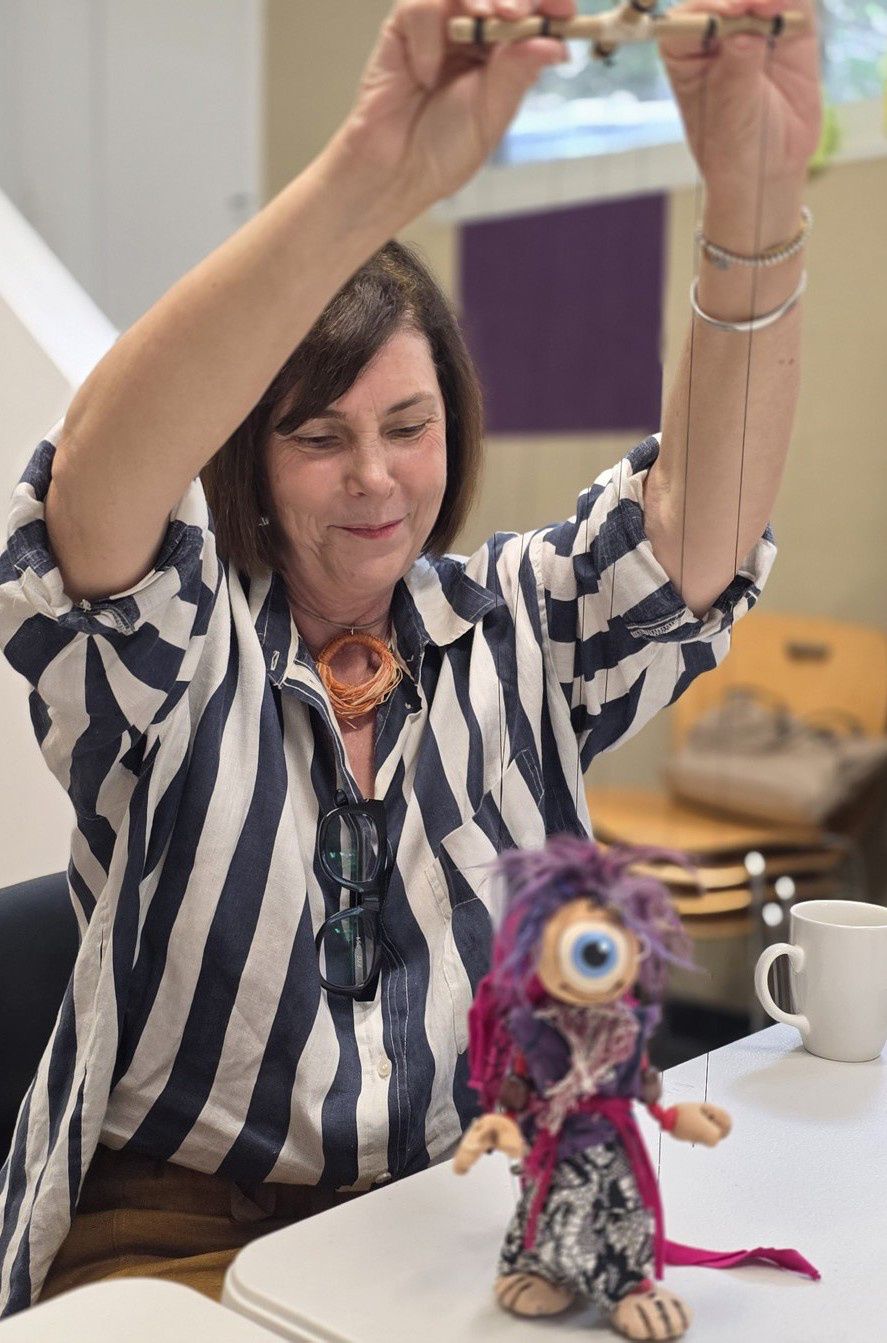
Our arts and culture programs foster inclusion, creativity and connection. Highlights included the volunteer-led, all-abilities House of Soul choir staging a sold-out production, The Talent Scout, with Cast Performance at Brisbane Powerhouse for more than 400 people; the Ubuntu Wellness Choir performing at the Brisbane Festival Moorooka Block Party and Ubuntu Foundation Day; and our community music group joining a Guinness World Record attempt during National Reconciliation Week. The Dux Gutz Cook and Share program also continued to grow, bringing people together over shared meals.
The centre continued to manage ongoing cost-of-living pressures, variable emergency relief funding cycles and staff capacity constraints. Securing long-term funding to continue successful pilot initiatives remains a priority.
A community member’s story
For many years, one community member living with an NDIS plan had struggled with her mental health. Her connection with the centre began through the Pantry and Open House, and grew from there. She joined the Dux Gutz cooking class, took up a subsidised place in the Ubuntu Wellness Choir and accessed a No Interest Loan Scheme loan. Today she is thriving and runs her own successful side business repairing household items.
Acacia Ridge Neighbourhood Centre
Acacia Ridge Neighbourhood Centre provides practical support, learning opportunities and community activities that help people build connections and maintain their cultural traditions.
Analysis by Neighbourhood Centres Queensland, based on its 2025 Neighbourhood Centre Survey, estimates that the centre generated $4.33 million in community value.
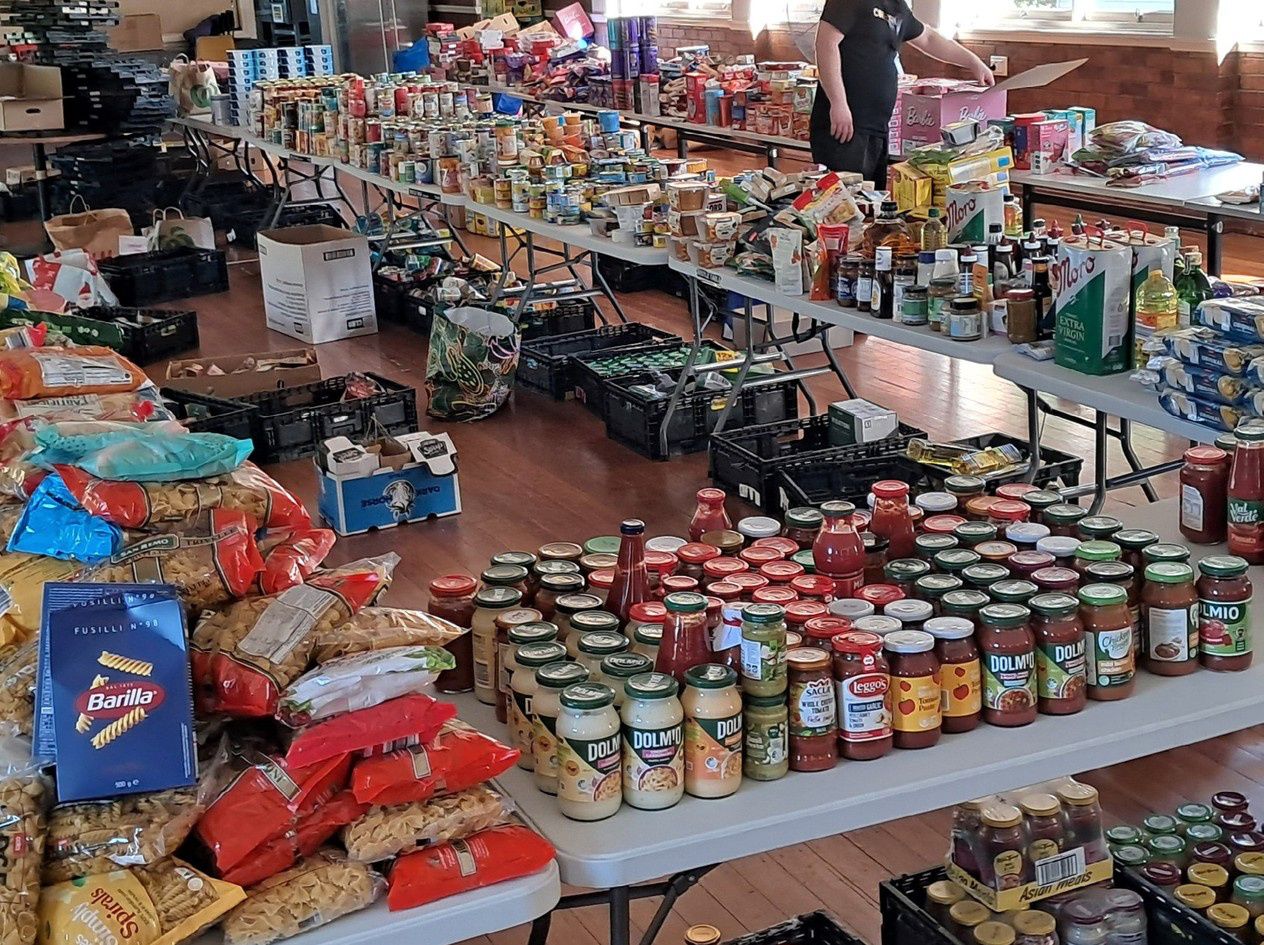
Throughout 2025–26, the centre supported an average of 880 people each month, with participation rising to 1,377 people in June. The Food Co-op was a major contributor to this activity, redistributing donated fresh produce with the support of OzHarvest, SecondBite and around 80 volunteer hours each week.
Over the financial year, the Food Co-op recorded 6,652 visits, while 598 people received direct Emergency Relief support. Together, these services delivered 7,250 episodes of food and emergency relief support to community members experiencing financial pressure.
Community life at Acacia Ridge is rich and diverse. Locals came together for Party in the Park in May, celebrating with a Welcome to Country, market stalls, local musicians, food and family activities, supported by Brisbane City Council through an ongoing funding agreement. Each week the Spanish Grandparents group gathers to share food, music and dancing, while Bridge to Belonging, a Samoan community group, meets twice weekly to keep cultural knowledge and traditions alive. English classes, citizenship test tutoring and links to other services round out a centre that continues to grow as a place where people can find practical support, contribute their skills and connect close to home.
Community value figures: Neighbourhood Centres Queensland, 2025 Sector Impact Report. New Farm $2,875,922; North West $3,571,144; Acacia Ridge $4.33 million.
880
6,652
598
Building belonging through language
English Language Program
All three of our neighbourhood centres offer English language classes and a buddy program, helping people from culturally and linguistically diverse backgrounds build their language skills, confidence and connections.
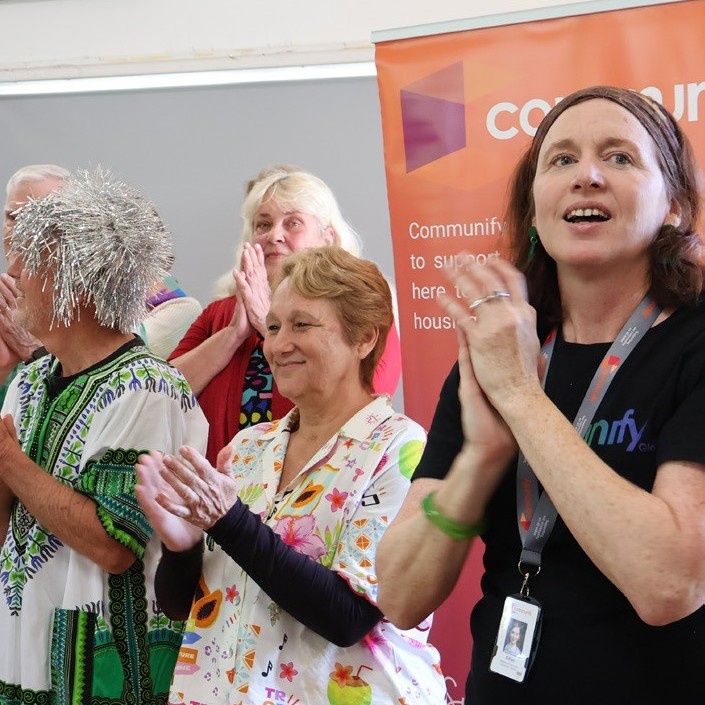
Acacia Ridge Neighbourhood Centre hosts a highly successful citizenship class program. Across the program, many students began unable to read or write in their first language, and some had previously failed the Australian Citizenship Test several times. Through a tailored delivery model combining a practice app, a buddy system and extended support, 68% of students who sat the test in 2025 passed.
The program’s success led to a formal memorandum of understanding with Settlement Services International (SSI).
68%
Spaces that bring people together
Our community spaces
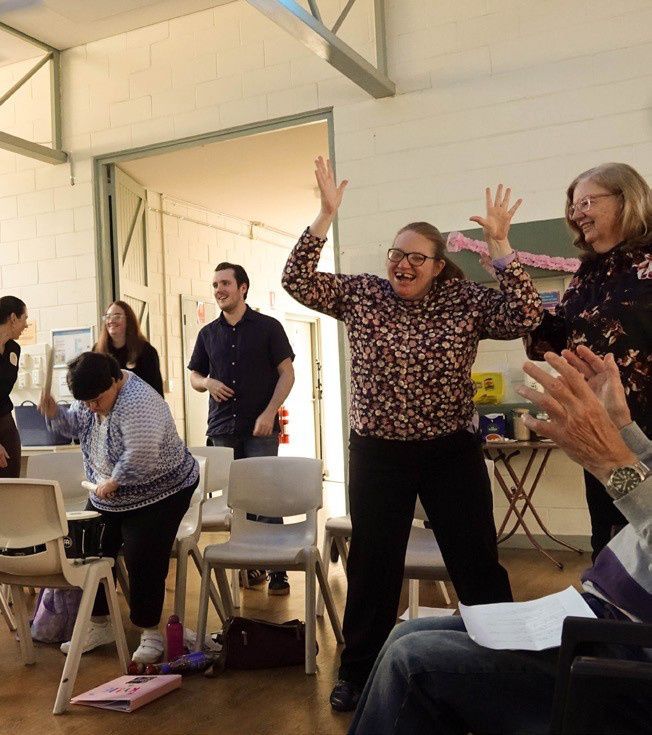
Communify’s halls, meeting rooms, studios, kitchens and other venues provide affordable places for groups to meet, learn, practise and perform, with activities ranging from arts, music and dance to exercise, meditation, playgroups and self-help groups.
We are deeply committed to keeping our spaces affordable and accessible. For many groups, including self-help groups and 12-step programs, a safe and reliable place to meet is essential to the support they offer one another. By opening our doors, we help community groups connect, support each other and deliver meaningful activities that strengthen our communities.
481
14,014
35,600
Skilling Queenslanders for Work
In short156 participants. 85.3% completed a qualification. 75.6% went on to work.
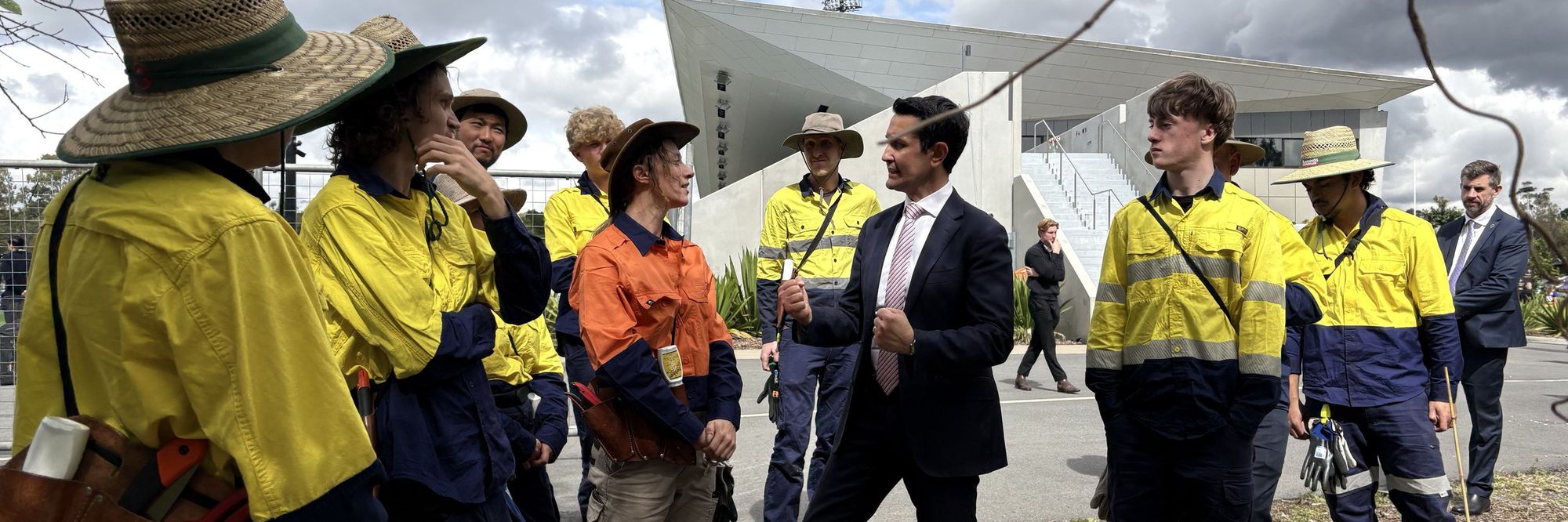
Skilling Queenslanders for Work is a Queensland Government initiative that helps people facing significant barriers to employment gain the skills, qualifications and confidence to enter the workforce.
Through our Skilling Team, Communify combines nationally recognised training with practical, hands-on experience and wraparound support, working alongside training and industry partners to create genuine pathways into work. In 2025–26, we delivered 10 training intakes for 156 participants. Of these, 133 (85.3%) completed a full qualification or statement of attainment, and 118 (75.6%) went on to secure employment, exceeding our contracted targets by more than 20 percentage points for both training completions and employment outcomes. These results reflect the dedication of our Skilling Team and partners, and our commitment to helping people build brighter futures.
Timothy’s story
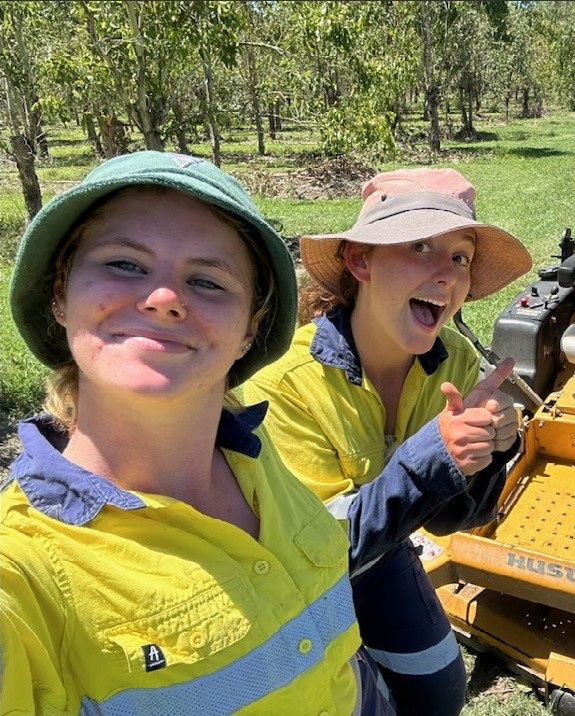
Timothy joined our Community Green Skills program at Carindale to complete a Certificate I in Conservation and Ecosystem Management. Throughout the program, he showed a strong work ethic, genuine care for the environment and a calm, thoughtful approach that made him a valued member of the team.
Despite navigating personal challenges, Timothy stayed focused on his goals, drawing on support from Communify, his project coordinator and site supervisors. His passion for land management shone through on site works delivered with the Bulimba Creek Catchment Coordinating Committee (B4C), and he was offered a role with B4C as a Bush Regenerator. It is a milestone that shows what quality training, industry partnerships and tailored support can achieve.
10
156
133
118
Research and co-design
Co-design and Research Translation Alliance in Mental Health (CoRTA)
CoRTA is a collaborative platform that brings together lived experience leaders, community organisations, health services, researchers, commissioners and policymakers to collectively identify priorities, generate actionable evidence, and accelerate implementation of effective solutions. The CoRTA Workshop held in March 2026 culminated in a collective vision and commitment to elevate the generation of evidence and its translation into policy and practice change in the mental health sector.
Finding confidence through movement
The MOVEMENT study is funded by a grant from the Medical Research Future Fund as well as the Brisbane North and Brisbane South Primary Health Networks.
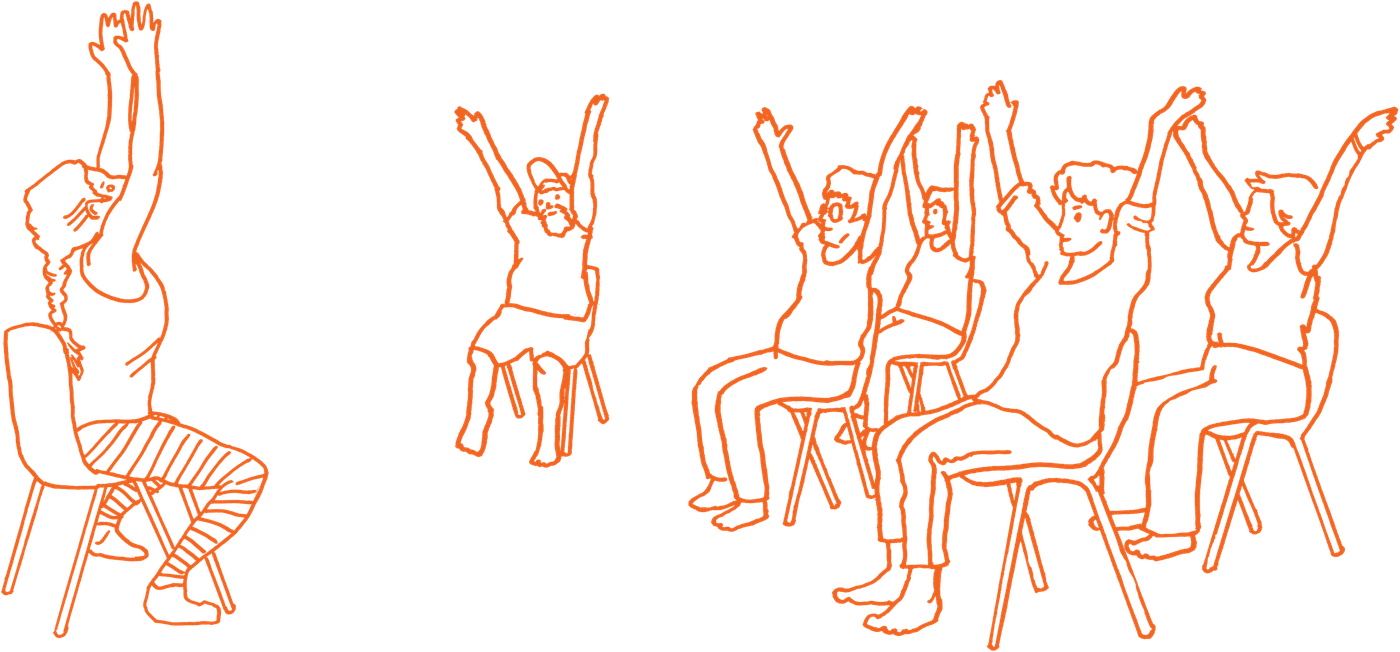
After more than a decade without structured exercise, one participant was hesitant to join the MOVEMENT exercise physiology study for people experiencing mental health challenges. Personalised guidance from an exercise professional and a welcoming group helped him build a routine and confidence in exercising safely. He reported improved mood, reduced anxiety and greater motivation, making everyday tasks more manageable. He also credits regular exercise with helping him persist through his successful NDIS application.
Reflecting on his experience, the message is simple: movement matters. Not because it solves every problem, but because it provides a powerful foundation for better mental health, greater confidence, and stronger engagement with life.
If I start moving, that encourages me to do more movement. Getting out and about really helps with mental health. It’s the really small things through to the bigger things that make a difference.
How we measure
The figures in this report come from five kinds of source. Each tells us something different, and each has limits.
Most of our figures count what we did: people reached, hours delivered, services provided. Fewer measure what changed for people, and those that do are measured differently from program to program. We work alongside partners, other services, families and the people themselves, so when life improves for someone, we have contributed to that change rather than caused it alone.
What’s changing
Communify Insight, our purpose-built client survey and outcomes platform, progressed through implementation. Insight measures client outcomes at the commencement, transition and conclusion of service, and returns completed responses directly to the client’s AlayaCare record with an automatic review task for staff. Springboard, our Medicare Mental Health Centres and The Way Back are among the first programs training on Insight’s outcome tools.
Our people
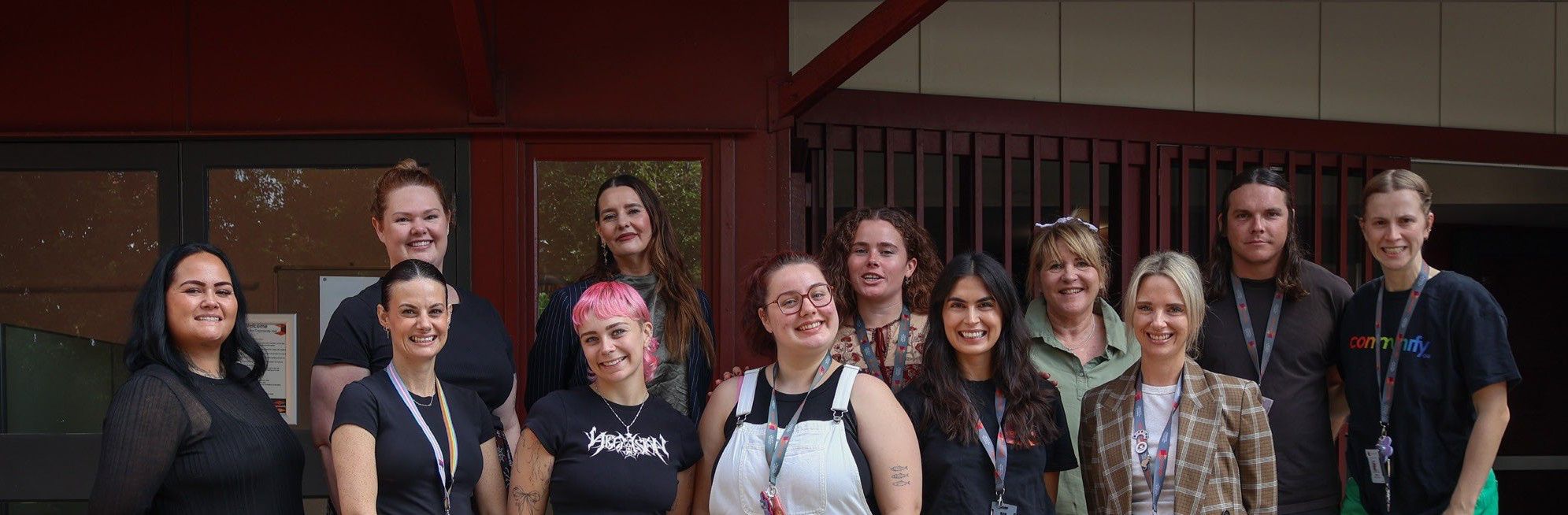
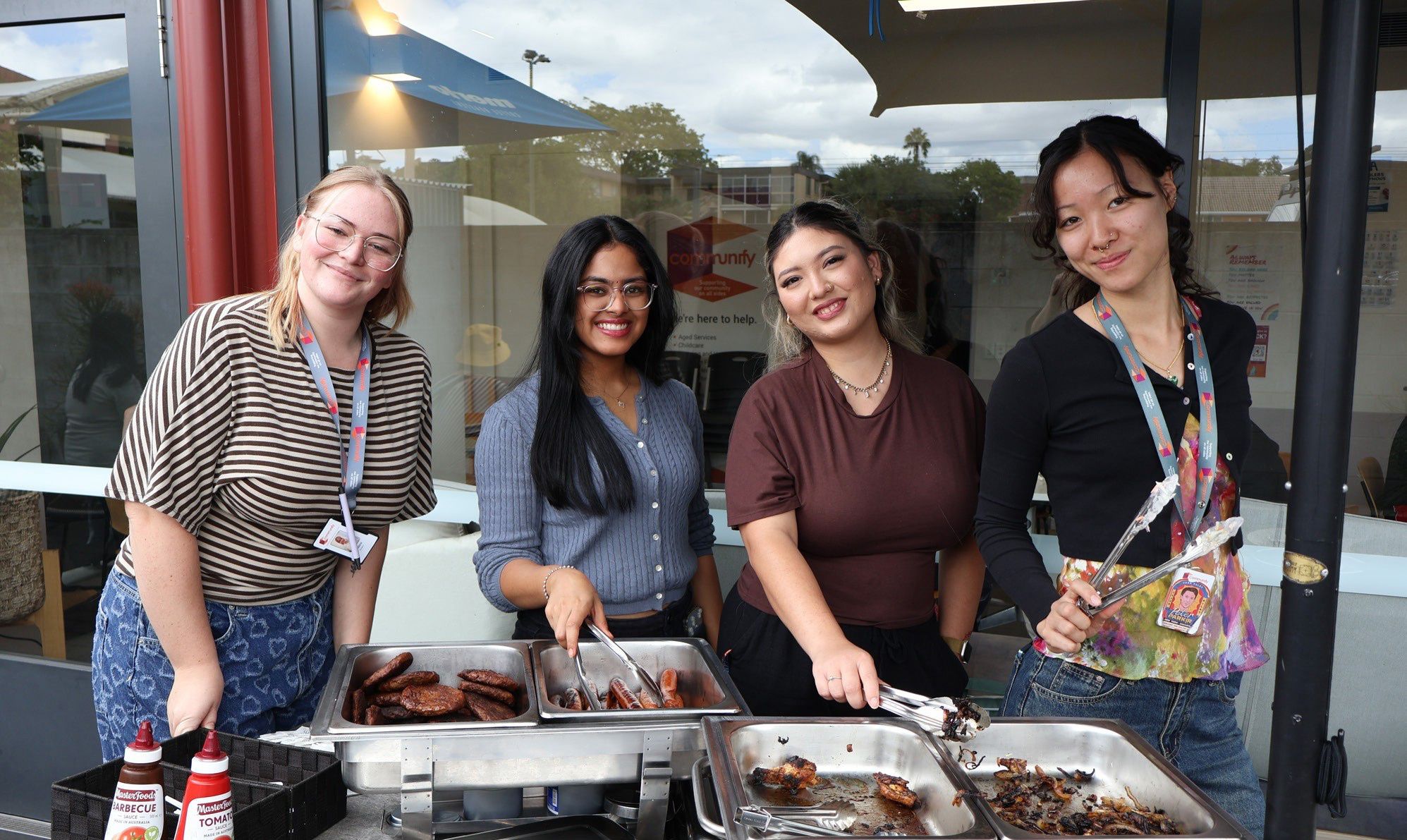
Our people are at the heart of everything we do. Their skills, backgrounds and experiences are diverse, but they share a deep commitment to walking alongside the people and communities we support.
Communify grew significantly in 2025–26 as our services expanded. At 30 June 2026, we employed 239 people, or 176.65 FTE, up from 162 employees and 117.78 FTE the previous year: growth of 47.5% in headcount and 50% in FTE. We welcomed 112 new staff during the year, and average monthly voluntary turnover remained low at 3.09%.
Our workforce at 30 June 2026
239
112
74.9%
81.8%
29%
56.9%
We are committed to providing a positive and rewarding workplace experience for our people. In a highly competitive labour market, we work to be an employer of choice, attracting and retaining skilled, compassionate staff who bring their best to the communities we serve.
The work our people do is profoundly important and sometimes challenging, and caring for their wellbeing is a priority. Our staff have access to regular professional supervision, reflective practice, communities of practice and our Employee Assistance Program, alongside ongoing professional development. Together, these supports help our people sustain their wellbeing while continuing to provide high-quality, trauma-informed and compassionate care.
Professional development is a source of genuine pride at Communify. Our staff have access to a dedicated training budget, complemented by our online mandatory and developmental training program. We encourage our people to keep learning, build new skills and contribute to the continuous improvement of our services. We are also delighted that a number of our staff were invited to present at conferences and shared learning events this year, contributing their expertise to the wider sector.
As Communify continues to grow, supporting our people remains central to the quality and consistency of the services we deliver.
In their words
Communify has given me extraordinary opportunities to grow. To have started here as a student and now be trusted to lead a Medicare Mental Health Centre is something I’m incredibly proud of.
My focus is on working alongside people in a respectful way, helping them find practical solutions and build greater stability.
We have a compassionate and careful approach, alongside a strong knowledge base that has provided us with some very good outcomes.
Giving time, building community
Our volunteers
Volunteers are the lifeblood of Communify, showing up with time, practical support, energy and compassion to demonstrate what a truly caring community looks like. Whether they are walking alongside someone practicing spoken English, helping local residents prep for their Australian citizenship test at Acacia Ridge, or keeping things warm and welcoming across so many of our programs, our volunteers make things happen. The dedication of our English Language Program volunteers was recognised this year with a nomination for a Volunteering Queensland award.
Volunteers are central to our food relief programs. They collect donations from local partners, sort and display food, and support community members to access food relief with dignity and respect.
Empowering our people
To ensure our volunteers feel confident and supported in their vital roles, this year we rolled out Educate for Volunteers. This new online platform gives volunteers free access to the exact same high-standard training modules our staff use, covering workplace health and safety, diversity and inclusion, cybersafety, and the Child Safe Reportable Conduct scheme. Volunteers can complete modules flexibly at their own pace, while giving our leadership team seamless compliance tracking.
Events and conversations
Politics in the Pub: For over two decades, a small, dedicated committee of volunteers has kept local public debate alive. This year, a brand-new committee partnered with long-term ally Village Voice and community radio station 4ZZZ to stage powerful public forums at the Brisbane Powerhouse, tackling complex conversations around Queensland’s youth laws and the alarming impacts of warming oceans.
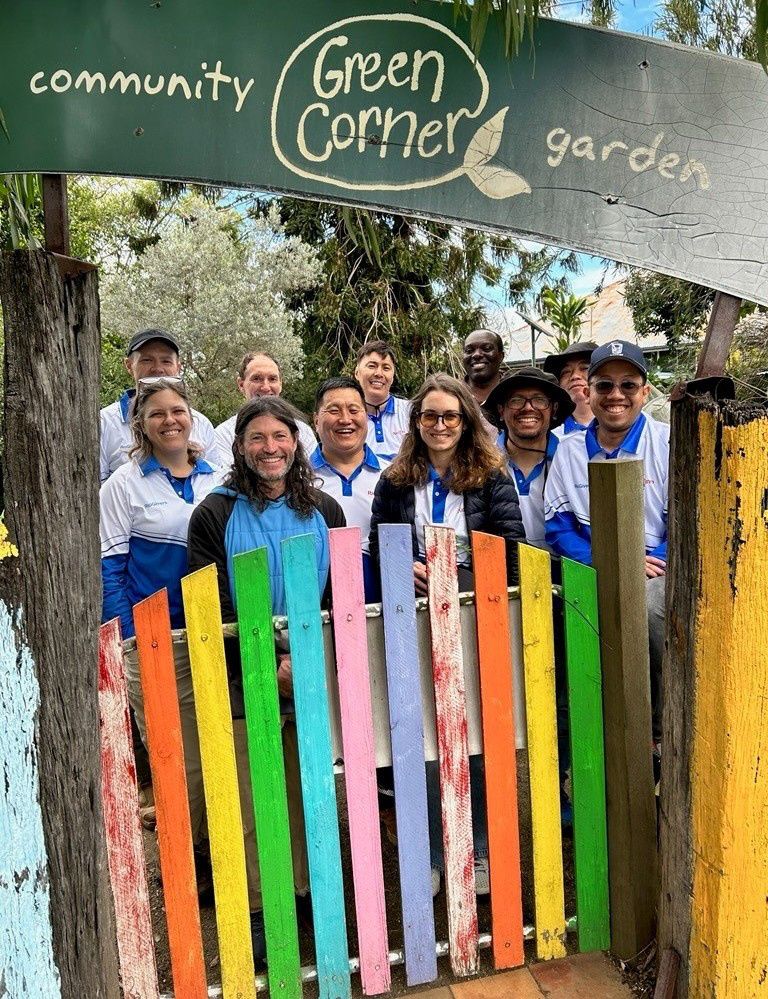
Cultivating community: Thanks to an election grant secured with the support of Member for Moggill Dr Christian Rowan MP, and delivered by the Department of Local Government, Water and Volunteers, our newest community garden at Chapel Hill underwent major infrastructure upgrades this year. The transformation has successfully attracted and retained a passionate, hands-on crew of local green-thumbs.
On the move: The time and care given by our transport and aged care volunteers provide a lifeline to older community members, reminding them that they are seen and valued.
To our 310 volunteers, thank you. Your dedication, skills, time and compassion make a lasting difference to the people we support and to everything we do.
Nothing about us without us
The importance of lived experience
Lived and living experience is the knowledge people gain through their own experience of mental health challenges, trauma, addiction, homelessness or other significant life circumstances, including their experience of using services. Lived experience workers, often called peer workers, intentionally draw on this experience to build trust, foster hope and walk alongside the people we support as equals. Their insight strengthens how we design and deliver services, ensuring our care is genuinely human-centred.
In 2025–26, lived experience practice continued to grow across Communify and the broader sector. Communify is fast becoming a recognised leader in this field, with close to 30 designated lived experience roles across four services, guided by our Lived Experience Practice Framework. To support this growing workforce, we offer monthly communities of practice where staff connect, learn and support one another, alongside specialised mentoring to support wellbeing and navigate the complexities of these roles.
Thanks to funding from the Queensland Mental Health Commission, we have proudly partnered with Dr Louise Byrne and her team to deepen sector-wide understanding of Lived Experience roles.
We have delivered group training to over 100 Communify staff. This program blends foundational history with our internal Lived Experience Practice Framework. The response has been overwhelmingly positive; staff across all levels are gaining a richer appreciation of how designated peer roles enrich our services, our organisation, and most importantly, the lives of the people we walk alongside every day.
Consumer Advisory Group
Our Consumer Advisory Group brings together people with experience of our mental health services to help shape how we design and deliver support. Members provide guidance on service design and organisational priorities, ensuring the voices of the people we support directly inform our decisions, and are paid for their time and expertise. In 2025–26, the group marked its first year and began expanding to include First Nations representatives, strengthening cultural safety and supporting our Reconciliation Action Plan.
Strengthening sector partnerships
Communify collaborated on several landmark initiatives:
- Queensland Alliance for Mental Health, partnering on the Certificate IV Student Placement Program and the Lived Experience Supervision Framework project to nurture a robust future workforce.
- BrookRED & QLD Mental Health Commission, contributing staff expertise to the development of the Lived Experience Code of Ethics, supporting professionalisation and ethical standards across the state.
- National Advocacy, supporting staff membership in the newly formed Australian Association of Peer Workers and partnering with RISE QLD to secure ethical, paid advocacy opportunities for our participants.
Governance and quality
Strong governance keeps Communify accountable to the people and communities we serve. It provides the foundation for safe, ethical and sustainable services, sound decision-making and effective management of risk.
In 2025–26, the Board provided stewardship of Communify’s strategic direction, financial sustainability and organisational performance through a year of significant growth. The Board commenced development of a new three-year strategic plan, which will set our direction for responding to rising demand and growing our impact.
A key focus this year was strengthening the systems that underpin accountability. The Board reviewed financial delegations and approval processes to ensure they remain fit for purpose as the organisation grows. It also reviewed Communify’s risk appetite and updated our risk management plans to reflect it, supported by our Folio quality and risk platform.
Communify participated in quality standard reviews across our services, including mental health, NDIS and Human Services Quality Framework accreditation, and maintained an annual audit schedule covering both financial and non-financial audits. The Board also received regular quality trend reports, giving it clear oversight of service quality and continuous improvement across the organisation.
The Board is supported by its Finance, Audit and Risk Committee and Investment Committee, which oversee financial reporting, audit, internal controls, investments and organisational risk. During the year, the terms of reference for both committees were reviewed to ensure they continue to support effective oversight and decision-making.
Together, this work ensures Communify is well positioned to meet contemporary challenges, respond to emerging opportunities and continue delivering high-quality services to our communities.
Board of Directors

Quality: small team, big impact
Quality
This year, Communify deliberately shifted quality from day-to-day compliance administration towards intentional, embedded quality work. Our focus is not compliance alone, but continuously improving our services and creating better experiences for our clients, staff and visitors.
Communify continues to maintain the following standards:
- Human Services Quality Standards (HSQS)
- National Disability Insurance Scheme (NDIS) Approved Provider Registration and Accreditation against the NDIS Practice Standards
- Registered Provider under the Aged Care Act 2024, delivering services against the strengthened Aged Care Quality Standards
- National Regulatory System for Community Housing (NRSCH)
- National Safety and Quality Mental Health Standards for Community Managed Organisations
- National Safety and Quality Digital Mental Health Standards
Communify operates under a robust Quality Management System based on the principles of the ISO 9001:2015 standard. The system ensures we have the policies and procedures in place to deliver high quality services, improve our clients’ quality of life, reduce errors, increase efficiency and maintain our regulatory compliance.
In December 2025, Communify achieved first-time accreditation against both the National Safety and Quality Mental Health Standards for Community Managed Organisations and the National Safety and Quality Digital Mental Health Standards, valid until December 2028. Certification against the Human Services Quality Standards was renewed in January 2026.
In May 2026, Communify completed its NDIS mid-term audit with zero non-conformities or critical risks. The final report, issued on 30 June 2026, recommended continued certification across all assessed registration groups, with auditors acknowledging the strength of our governance, quality management systems and culture of continuous improvement. Auditors also recognised our implementation of Folio as best practice, connecting incidents and feedback to real improvement projects and closing the loop on continuous improvement.
Our small Quality team works directly with service teams across every site, helping leaders navigate complex legislation, redesign forms, strengthen medication management and build processes that work in practice. Monthly Quality Leadership training builds leaders’ capability in risk management, incident reporting, feedback and continuous improvement, while helping us learn what is working in each program. This year the team also implemented the Child Safe Standards and Reportable Conduct Scheme across the organisation, sharpened Board reporting, trending and forecasting through Folio, and began digitising forms across services to reduce paper-based administration.
Information technology: building on strong foundations
During the 2025–26 financial year, our Information Technology team focused on delivering the Support at Home aged care reforms, securing our device fleet, and laying the groundwork for data-driven and responsible use of technology across Communify.
With the new Aged Care Act 2024 and the Support at Home program commencing on 1 November 2025, the IT team delivered the financial and system configuration required for Support at Home within AlayaCare. This work was supported by new revenue models and pricing for Support at Home and the Commonwealth Home Support Programme (CHSP). Further CHSP enhancements were made within AlayaCare to streamline workflows and improve reporting for staff and clients.
Ahead of the Windows 10 end-of-life deadline in October 2025, the team coordinated the replacement of 60 staff laptops, ensuring every Communify computer runs a secure, vendor-supported Windows 11 operating system.
Cyber security remained a core focus, with continued implementation of the Essential Eight, multi-factor authentication and single sign-on, endpoint security and monitoring. A new patch management platform introduced last year is now embedded across the organisation, reducing our reliance on external vendors for routine infrastructure support.
The team supported the establishment of Communify’s Medicare Mental Health Centres at Redcliffe and Lutwyche (Inner North), setting up the technology and systems staff need to deliver services to the community.
Throughout the year, the team maintained exceptional business-as-usual support while delivering these projects, resolving over 2,500 Helpdesk tickets and supporting a workforce that grew 47.5% to 239 employees, including 112 new staff onboarded during the year. Ticket volumes rose just 6% despite this growth, and by the final quarter half of all tickets were resolved within about a day, down from eight days at the start of the year. While the organisation grew, total IT costs fell and the supplier base was consolidated.
The Folio quality management system was further embedded throughout the year, supporting risk, incident, compliance and audit management across all service areas. Moodle Workplace (Educate), Communify’s new learning management system, went live on 3 October 2025, providing a central platform for staff induction, mandatory training and compliance monitoring.
Communify continued to take a measured approach to artificial intelligence, guided by our Board-endorsed Responsible Use of Artificial Intelligence policy. Staff are using Microsoft Copilot and ChatGPT for everyday work, and an AI clinical scribe now helps our clinicians spend less time on documentation and more time with clients.
Financial summary
$44.5 million revenue, up 9.4%. $1.6 million surplus. 90% of every dollar spent on staffing and direct service delivery.
Communify delivered a surplus of $1.6 million in 2025–26, up from $0.4 million the year before, on revenue of $44.5 million. This was largely due to capital grants for the expansion of our Redcliffe Medicare Mental Health Centre and capital investment into the new Corporate head office in Lutwyche. Revenue grew 9.4% while expenses grew 6.5%, lifting the operating margin from 1.0% to 3.6%. Net assets rose by $1.9 million to $17.0 million, and total liabilities fell by $1.7 million.
Contracts with state and federal government agencies remain our principal source of income and fund the community-based programs at the heart of our work. Individual donors, philanthropic partners and the Patrons of New Farm add vital support. We also continue to address housing affordability through our social housing properties in Red Hill, Lutwyche and Bardon.
$44.5m in 2025–26: 2.5× 2020–21, and up 9.4% on 2024–25.
By revenue type, operating grants rose $2.9 million to $34.9 million and capital grants rose $0.8 million to $1.3 million.
Government sources provided 95% of revenue in 2025–26.
Mental health revenue rose $3.7 million, most of the year’s growth.
Expenditure
Total expenditure was $42.9 million, up $2.6 million (6.5%) on 2024–25. Staffing and direct service delivery account for 90% of every dollar spent, reflecting our investment in high-quality, person-centred services.
Employee costs rose $2.0 million (9.1%) as new and expanded programs were staffed. Depreciation rose from $0.68 million to $1.05 million following capital improvements to our properties. IT costs fell 15% to $0.63 million.
Financial position
Our financial position strengthened: net assets grew 12.5% to $17.0 million, while total liabilities fell 20% to $6.8 million.
- Assets rose $0.18 million. Non-current assets grew $0.8 million through capital improvements and investment gains, net of depreciation, offset by a $0.6 million timing movement in current assets.
- Liabilities fell $1.7 million, mainly because of greater efficiencies in accounts payable processing, delivered by the system transformation completed last year.
- Cash and investments together stood at $7.0 million, up from $6.8 million.
- Equity comprises retained earnings of $13.2 million and reserves of $3.7 million.
We continue to monitor financial performance through management reporting and financial scorecards, KPIs and benchmarking, evaluation of service outcomes and delivery efficiency, actual-versus-budget comparisons, and close oversight of administrative and indirect support costs.
Thank you
Our work is possible because of the governments, funders, partners, donors and community groups who stand with us. Thank you.
Funders
Australian Federal Government
- Brisbane North Primary Health Network
- Brisbane South Primary Health Network
- Department of Health, Disability and Ageing
- Department of Social Services
- National Disability Insurance Agency
Queensland Government
- Department of Families, Seniors, Disability Services and Child Safety
- Department of Housing and Public Works
- Department of Local Government, Water and Volunteers
- Department of Trade, Employment and Training
- Department of Women, Aboriginal and Torres Strait Islander Partnerships and Multiculturalism
- Queensland Health
Other funders
- Brisbane City Council
- Community Hubs Australia
- Gambling Community Benefit Fund
- Lord Mayor’s Charitable Trust
- Scanlon Foundation
- Neighbourhood Centres Queensland
- Women and Girls’ Health Queensland
Sub-contract agreements
- ACT For Kids
- Brisbane Housing Company
- Brisbane Youth Service
- Change Futures
- Common Ground Brisbane
- Lives Lived Well
- Micah Projects
- Multicultural Australia
- Planzz First Nations Mental Health
- Queensland Positive People
- Refugee and Immigration Legal Service
- Uniting Church Indooroopilly
- World Wellness Group
Donors and champions
- Individual donors through GiveNow
- ADA Australia
- AMP Capital
- Ashgrove State School
- Australian Labor Party – Baroona Branch
- Bardon State School
- Brisbane Broncos
- Bunnings
- Coles
- Commonwealth Bank
- Cr Seal Chong Wah
- Cr Steve Griffiths
- Cr Vicki Howard
- Community Canteen
- Containers for Change
- Dexus
- Domino’s
- Dr. Kate Murray – School of Psychology & Counselling, Faculty of Health, QUT
- Dux Gutz
- Elizabeth Watson Brown MP
- Excelsior Foundation
- Grace Grace MP
- Graham Perrett MP
- Grill’d Local Matters Program
- Howard Smith Wharves
- Hon Leeanne Enoch
- Hon Mark Bailey
- Ithaca Creek State School
- Keperra Country Ladies Golf Club
- Larissa Waters
- Lions Club Ashgrove
- Lions Club Bardon
- Lions Club The Gap
- McGrath & Frisby
- Meat at Billy’s
- Merlo
- Merthyr Road Uniting Church
- Michael Berkman MP
- Mt Coot-tha Greens
- OzHarvest
- Order of St Lazarus
- Patrons of New Farm
- Rainworth State School
- Ray White The Gap
- Retail First Shopping Centre Toowong
- Rotary Club Fortitude Valley
- Rotary Club Ithaca
- Rotary Club New Farm
- Rotary Club Paddington
- Salisbury Community Group
- Scomodo Voce Singers
- SecondBite
- Senator Larissa Waters
- Share The Dignity
- Siganto Family Foundation
- Sisters of Mercy
- St John’s Cathedral
- St Vincent’s Hospital
- Street Care
- TAFE Queensland Acacia Ridge campus
- Teneriffe Lions
- Terry White Chemmart Acacia Ridge
- The Bardon Bakehouse
- The Bardon Playgroup
- The Breakfast Club
- The Cove Workspace
- The Gap Men’s Shed
- The Gap State High School
- The Munro Centre
- The National Council of Churches
- The Samford Valley Steiner School
- Village Voice
- Westfield Local Heroes
- Woolworths
Looking ahead
With the Finance Transformation Project complete, a stronger surplus and a healthier balance sheet, Communify enters 2026–27 on solid foundations. We are well placed to respond to evolving community needs, maintain service excellence and pursue strategic opportunities for innovation and impact.
The priorities this report names for 2026–27:
- Launch Communify’s new three-year Strategic Plan, with business planning to set clear priorities, accountabilities and measures.
- Bring Redcliffe Medicare Mental Health Centre to full operation in early 2026–27.
- Progress Bindi Bindi Place in Zillmere, working with the Queensland Government to release the committed capital and start-up investment.
- Extend Communify Insight to measure client outcomes, starting with Springboard, the Medicare Mental Health Centres and The Way Back.
- Deliver our Innovate Reconciliation Action Plan.
- Advocate for sustainable, long-term funding for Safe Space, growth funding for day respite at the Paddington Centre, and long-term funding for successful pilots at North West Community Centre.
How to support us
Demand for our services grew in both volume and complexity this year. Here’s how you can help.
Give
Donations reach where funding doesn’t, from food relief at our neighbourhood centres to safe housing for people seeking asylum.
DonateVolunteer
Join 310 volunteers who drive older people to appointments, sort and share food relief, help people practise their English and keep our centres welcoming.
Volunteer with usPartner with us
Governments, foundations, businesses and community groups make this work possible. If you’d like to talk about working together, get in touch.
Talk to usHire a space
Our 20 community spaces are affordable places for groups to meet, learn, practise and perform.
Book a space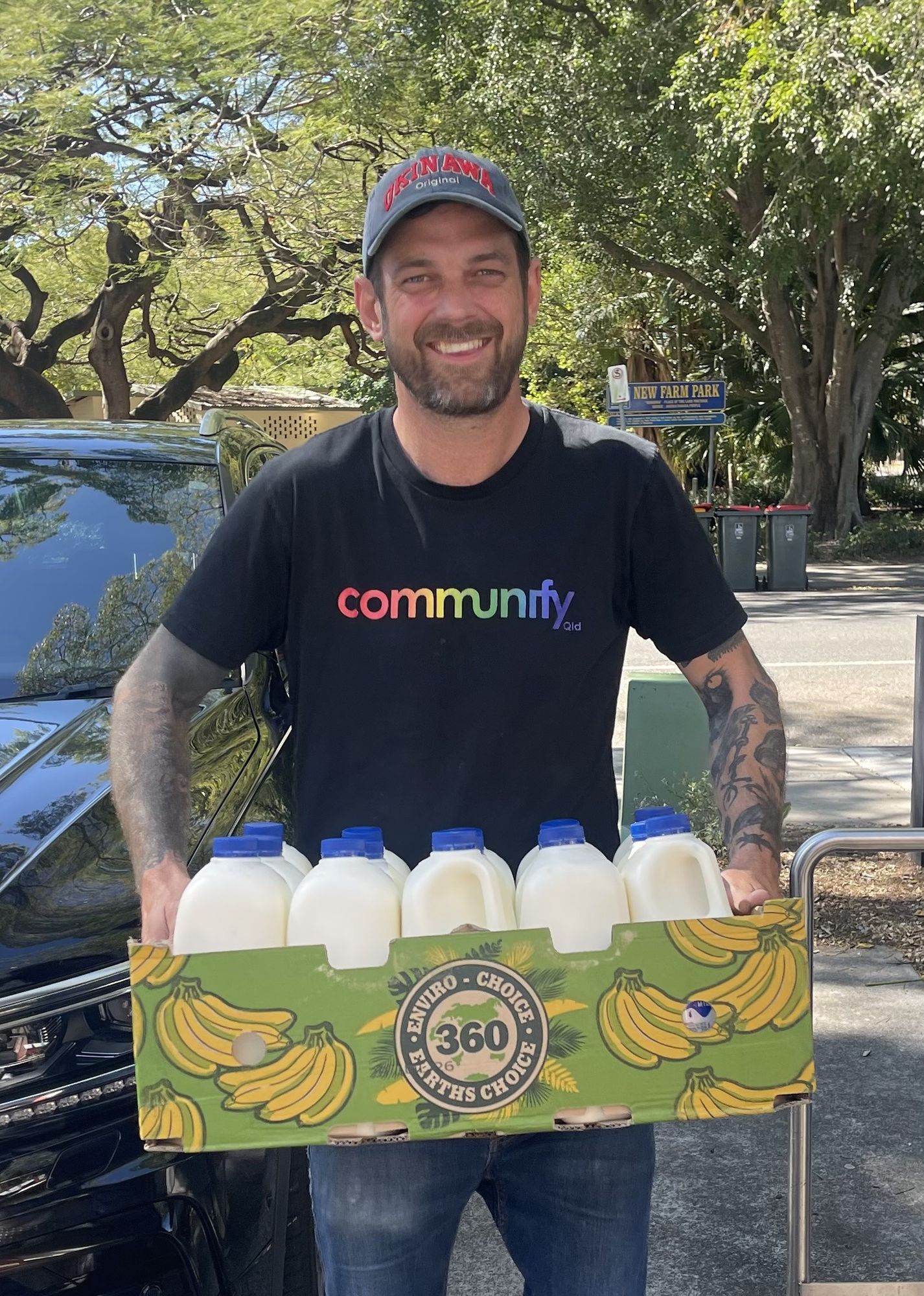
Need help? Call us on 07 3510 2700 or find your local community centre.
Organisation details
Contact
Communify Queensland Ltd
180 Jubilee Terrace, Bardon QLD 4065P07 3510 2700Eadmin@communify.org.aucommunify.org.auABN 65 114 782 948Registered charity with the Australian Charities and Not-for-profits Commission
Our funders

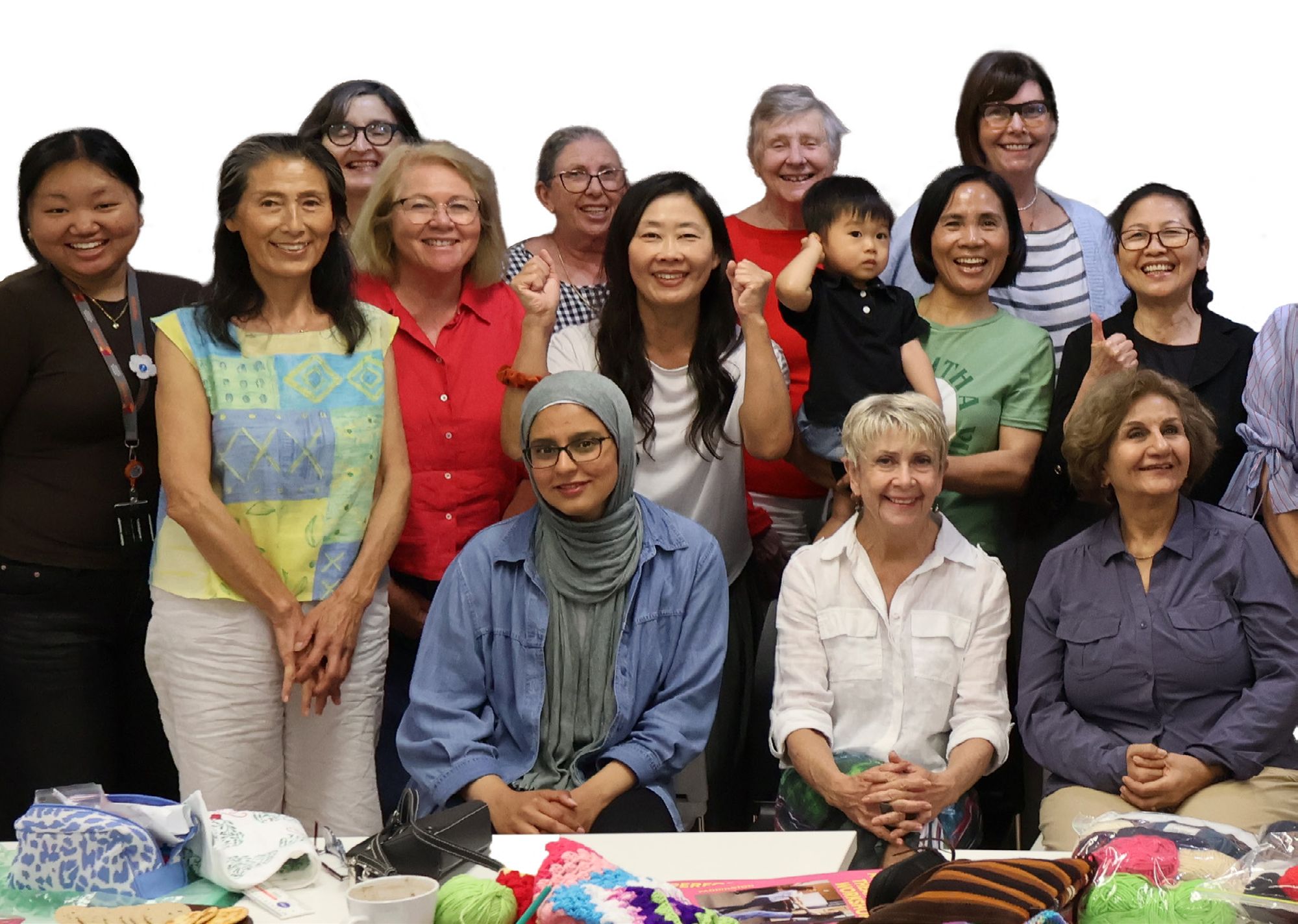

2025/26
Impact Report
Supporting our community on all sides.
Acknowledgement of Country
We are committed to supporting reconciliation between Aboriginal and Torres Strait Islander peoples and non-Indigenous Australian people. In keeping with the spirit of reconciliation, we acknowledge the Traditional Owners of the lands where Communify works, the Turrbal and Jagera peoples. We wish to pay respect to the Elders – past and present – and acknowledge the important role Aboriginal and Torres Strait Islander peoples continue to play within our community.
From our CEO and Chair
Communify exists to ensure people experiencing disadvantage have access to the support, connection and opportunity to live their best lives.
Karen Dare
Chief Executive Officer
Zea Johnston
Chair
Everyone deserves a safe home
Housing security
3,782
households supported by HART 4000
473
households into long-term housing
303
tenancies sustained
Responding when people need us most
A safety net through uncertainty
286
people seeking asylum and refugees in intensive case management
145
people granted a Resolution of Status visa, securing permanent residency
148
families strengthened through Intensive Family Support
Aged care
Ageing well at home
92,084
hours of in-home and community support, up 6%
298
older people supported by Care Finder and Community Navigators, up 41%
15,690
community transport trips
An open door to mental health support
Mental health and recovery
548
people began a new episode of care at our Medicare Mental Health Centres
89%
of Springboard intensive group completers reported improved recovery
24 hours
every eligible person referred to The Way Back was contacted within 24 hours
Where community comes together
Connection, community and skills
$10.77m
community value from our three neighbourhood centres, estimated by Neighbourhood Centres Queensland
7,250
episodes of food and emergency relief at Acacia Ridge
75.6%
of Skilling Queenslanders for Work participants went on to secure employment
Communify champions
Thank you
Our work is possible because of the governments, funders, partners, donors and community groups who stand with us.
Every funder, partner, donor and champion is named in the full report.